
the glow library
Glow foods
Plain answers about what you eat and your skin, checked against the research.
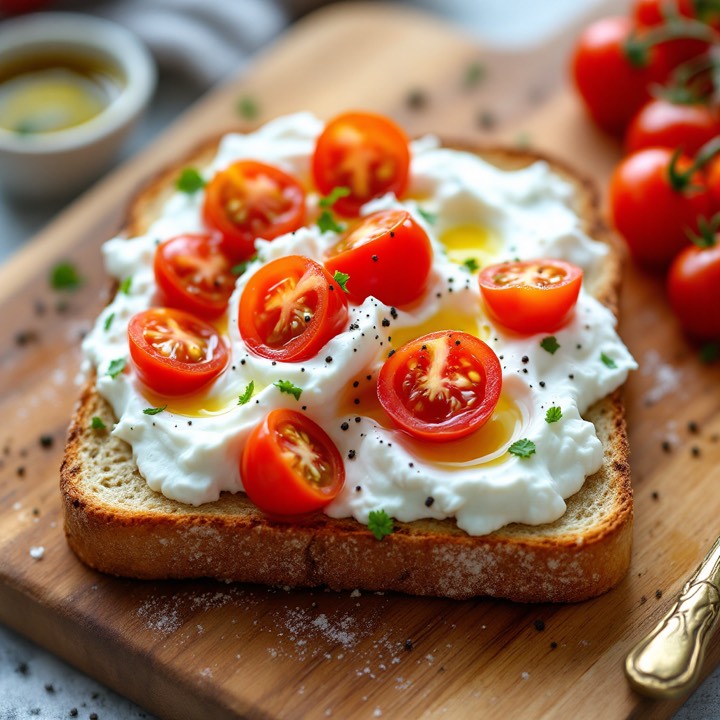 Does bread cause acne?Not on its own
start
here
Food checks
the answer's on the card
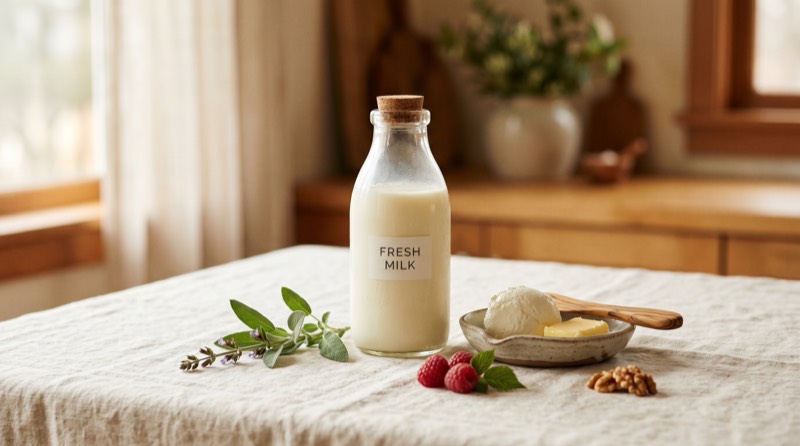 Does dairy cause acne?Milk is linked to acne
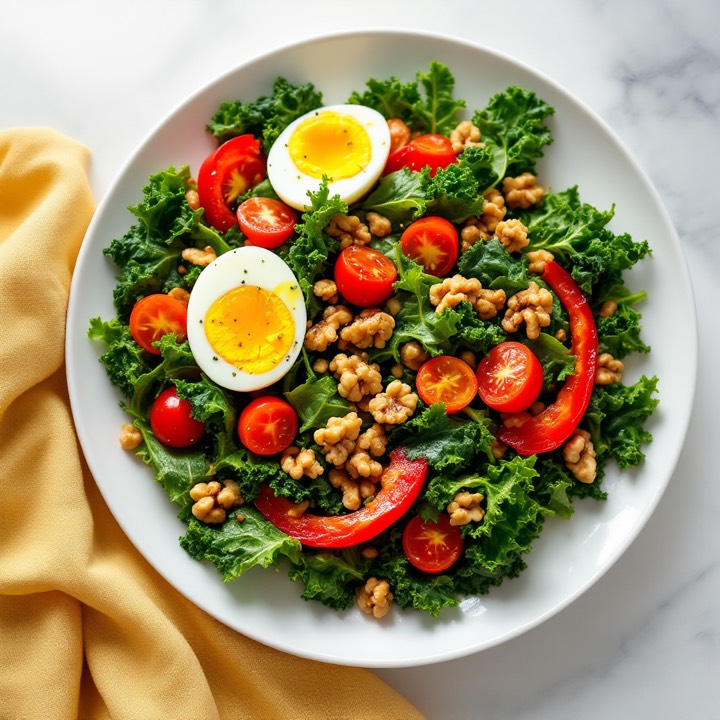 Do eggs cause acne?No reason to drop them
 Do energy drinks cause acne?Unproven. Watch the sugar
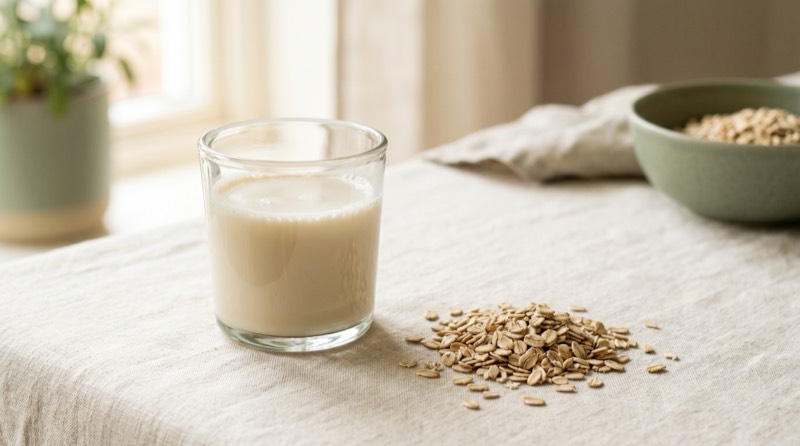 Does oat milk cause acne?Is the swap worth it?
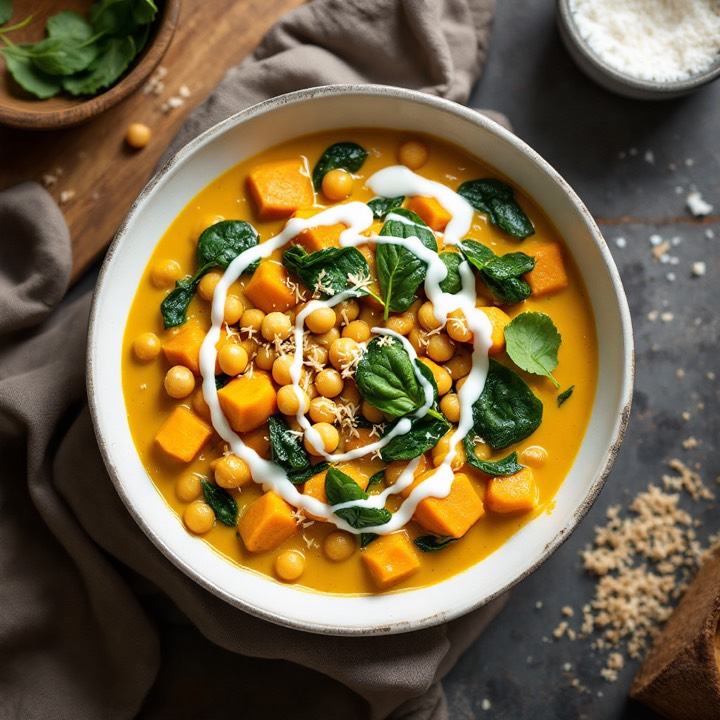 Does spicy food cause acne?No solid evidence
 Does sugar cause acne?Drinks and sweets, mainly
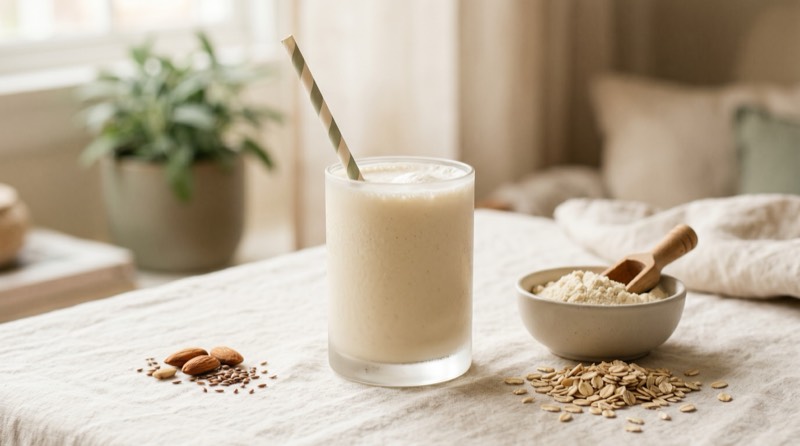 Does whey protein cause acne?Gym surveys link it
your food not here?Snap it in Glowcast and see how it rates for your skin. Get the app
Does whey protein cause acne?Gym surveys link it
your food not here?Snap it in Glowcast and see how it rates for your skin. Get the appGuides
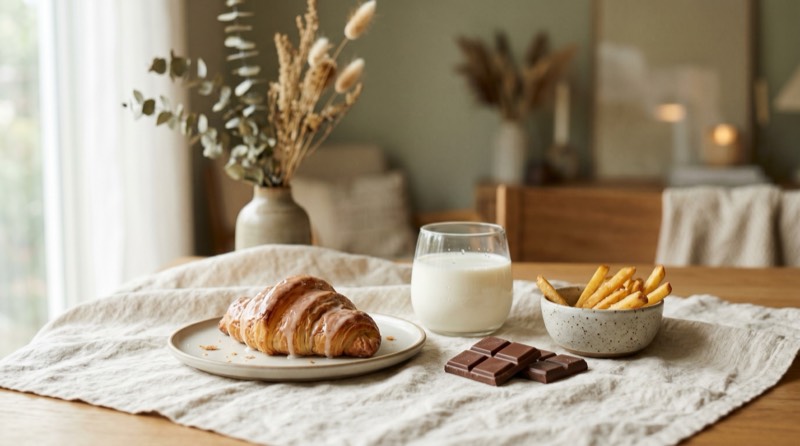 Foods that cause breakoutsDrinks, milk and whey
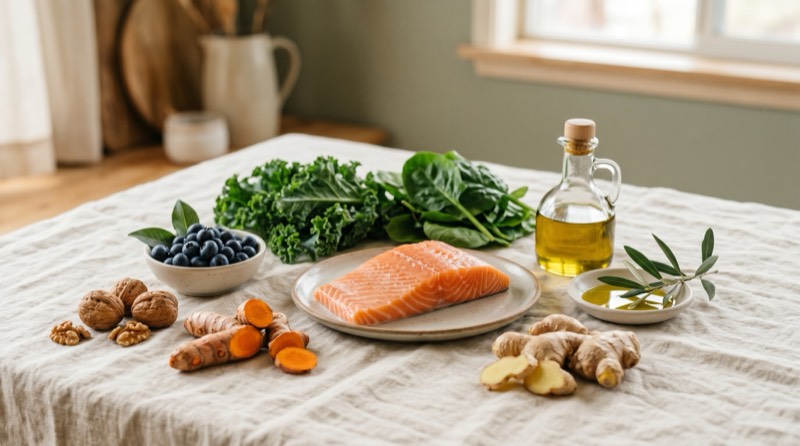 Anti-inflammatory diet for acne: what to eatA Mediterranean-style plate
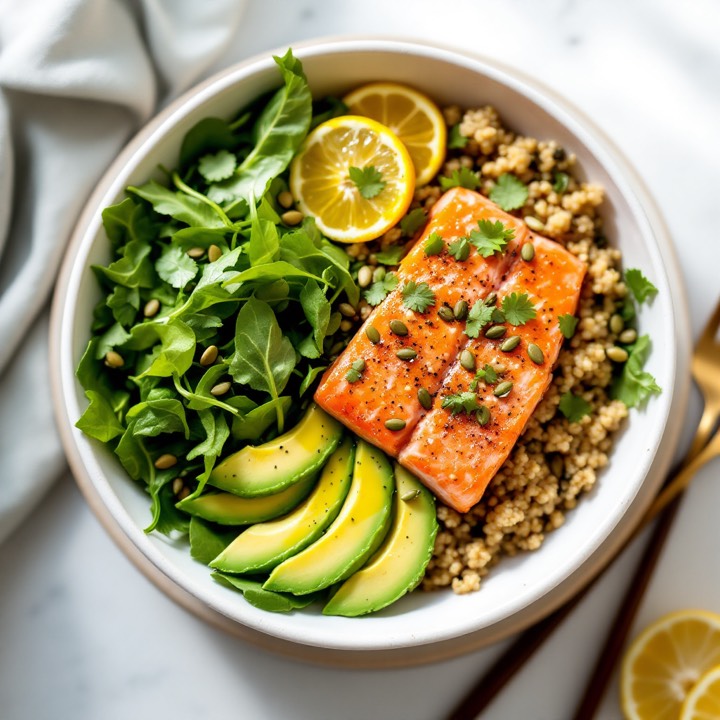 Foods for Clear Skin: What to EatOats, beans, fish and veg
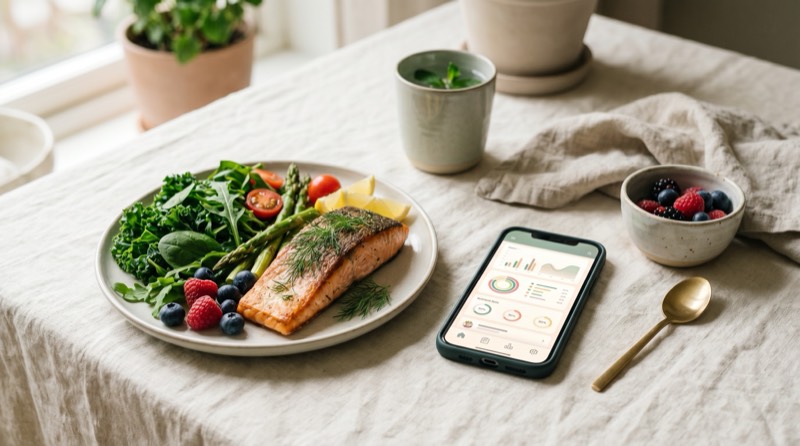 Best acne food tracker appWhat to look for in one
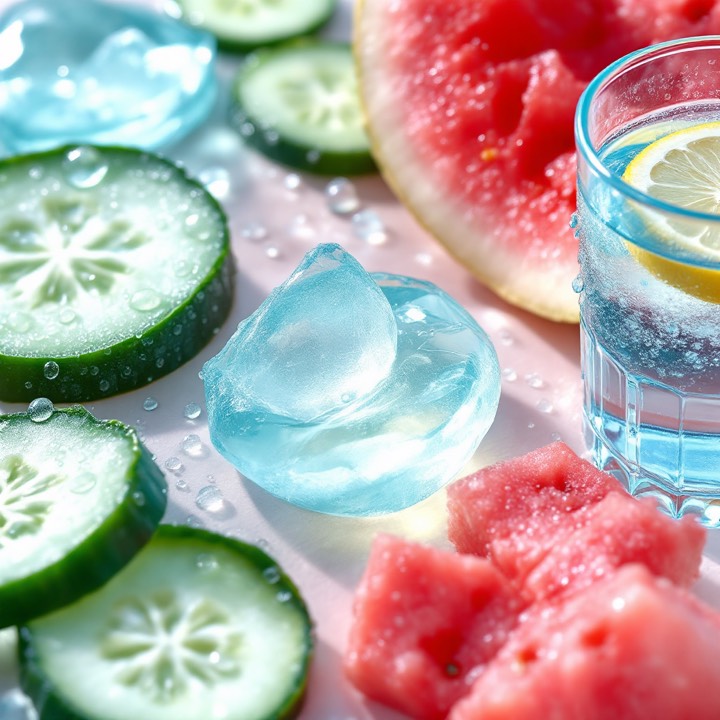 Glass Skin Diet: What to EatEat colour. Wear SPF
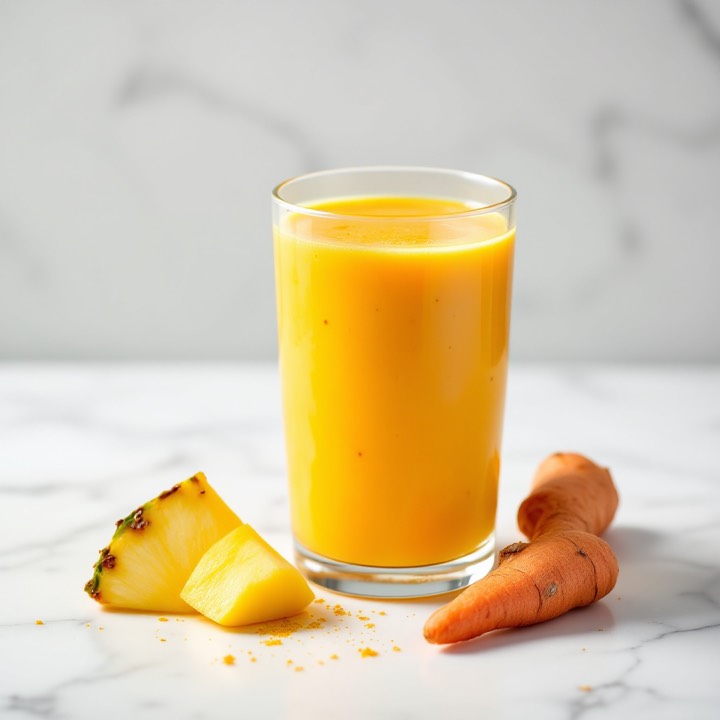 Foods Good for SkinMore colour on your plate
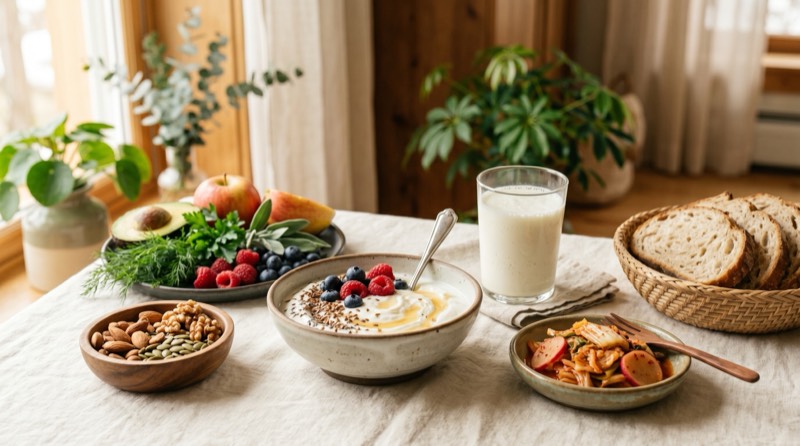 The gut-skin axis: what to eatPlants, not probiotic yogurt
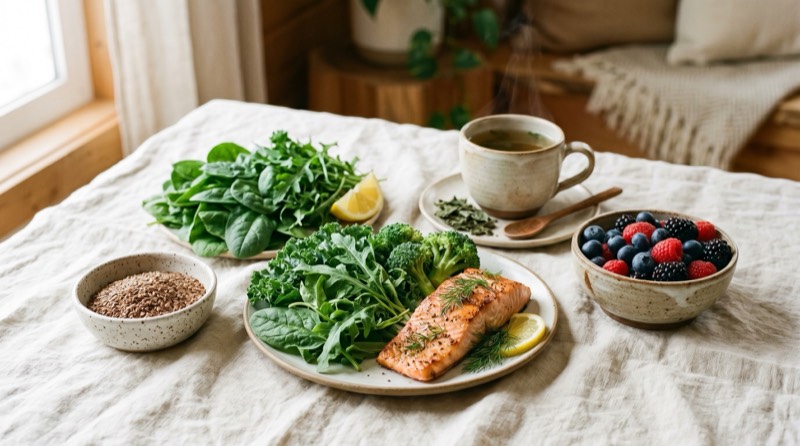 The hormonal acne dietEating around your cycle
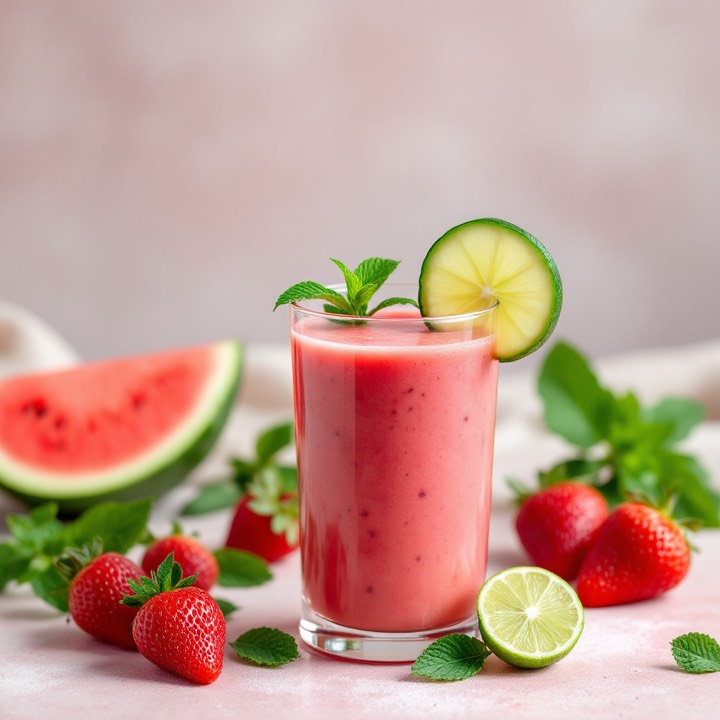 Foods for Hydrated Skin: What to EatEat omega-3s and vitamin C
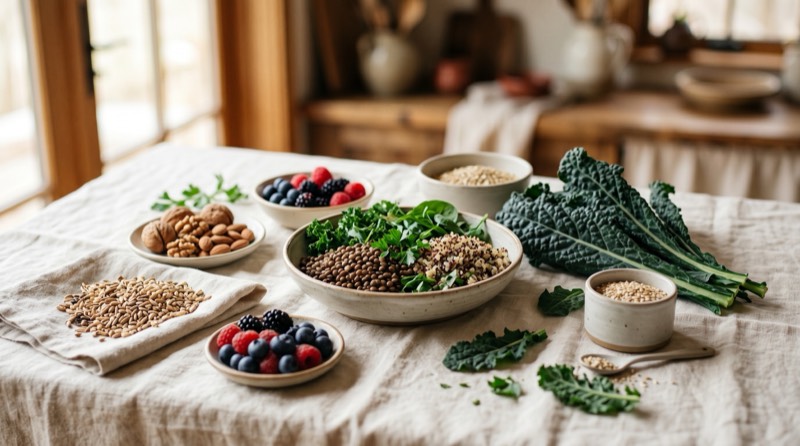 Low Glycemic Diet for AcneSlow carbs, fewer spots
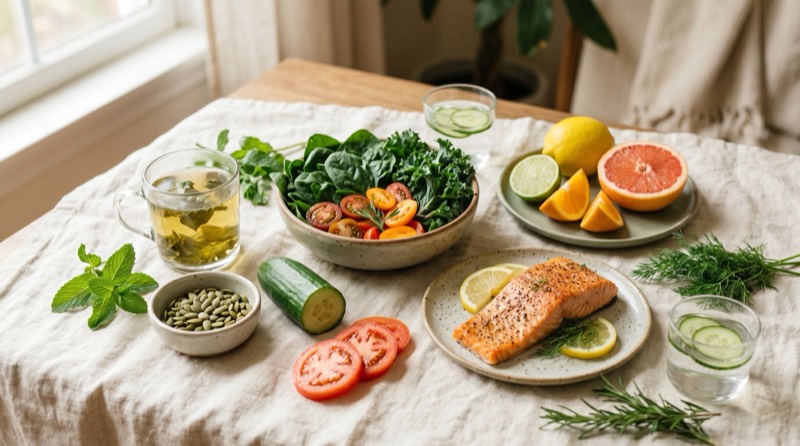 Best Foods for Oily SkinSlow carbs, fish and veg
 How to Find Your Skin TypeWash, wait, then look
Everything, A to Z
can't find your food?
Snap it. Glowcast rates any meal for your skin.
Even the ones we haven't written about yet.