at a glance
Slow carbs, fish and veg.
Slow carbs, oily fish and vegetables. In 32 people, 10 weeks of slow-carb eating led to smaller oil glands. Swap extra milk and sweets.
What are the best foods for oily skin?
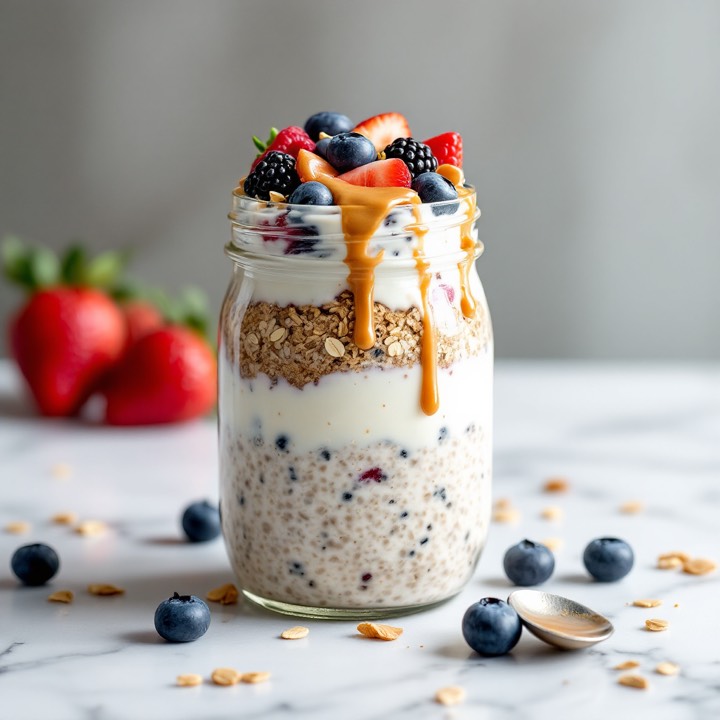
Oats, beans and barley
Most of your carbs
Slow carbs raise blood sugar gently. In about 10 weeks, this kind of eating led to smaller oil glands.
the science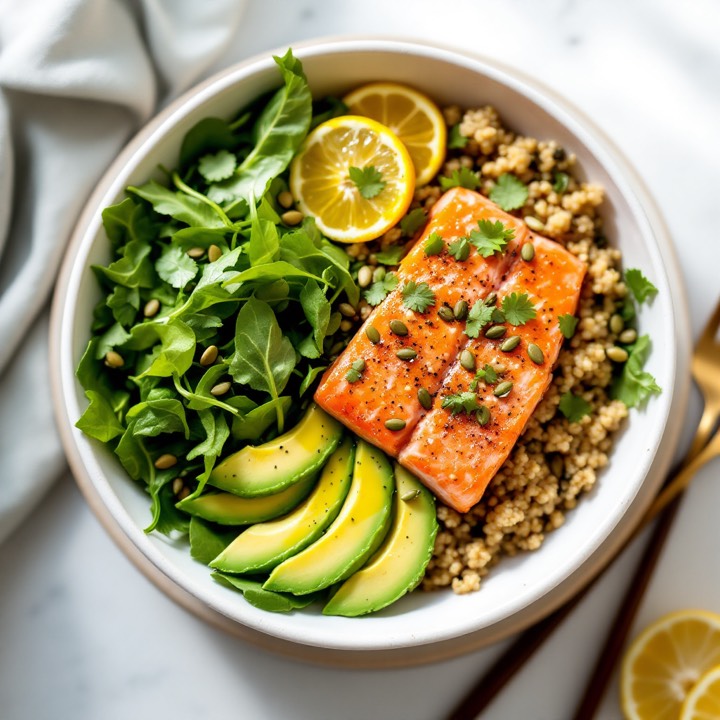
Oily fish
Twice a week
People who ate more fish had milder breakouts. Twice a week is plenty.
the science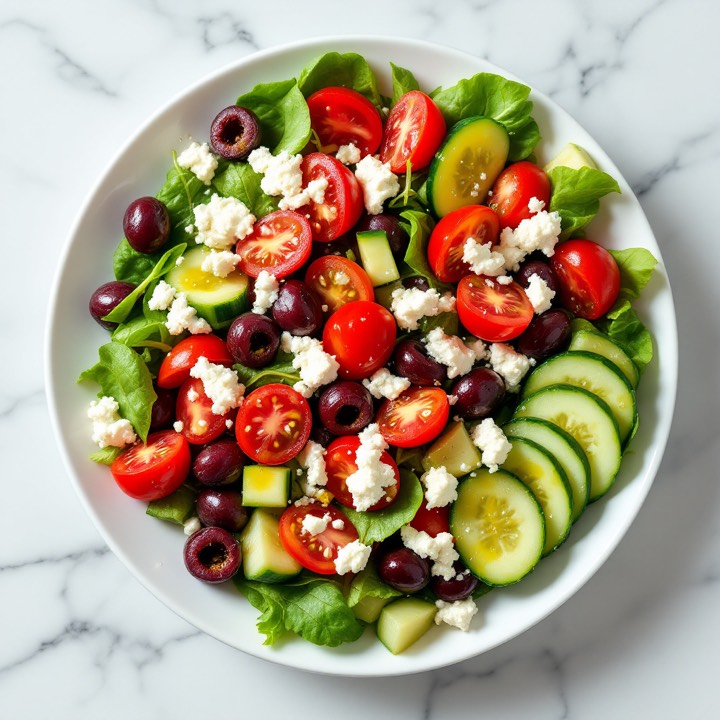
Vegetables
At most meals
People who ate more vegetables had milder breakouts. Put colour on the plate at most meals.
the science
Make it tonight
recipes from the app
What should oily skin swap?
Milk more than 3 times a week→Unsweetened soy or oat milk
Women who drank milk more than 3 times a week reported oilier skin. If that's you, swap it.
see the researchSweets and sugary drinks→Fruit, or water or unsweetened tea
Sweets went with nearly double the oily-skin reports. Daily soda is the other easy cut.
see the research
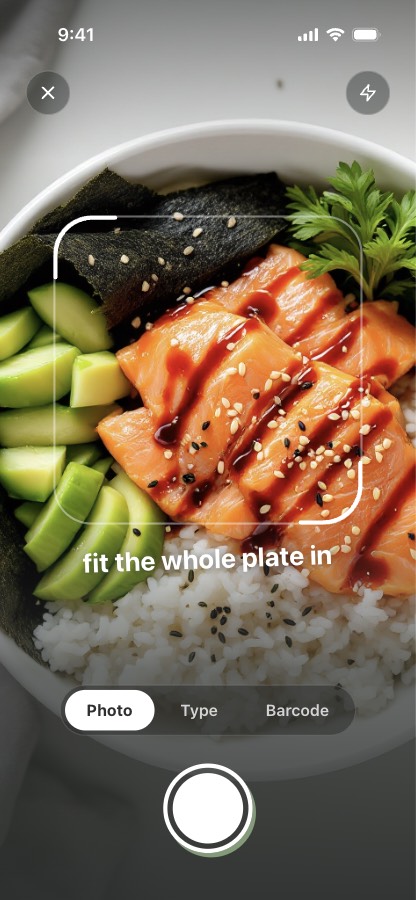
what about your plate?
Snap your lunch in Glowcast
See how it rates for your skin. 7-day trial on iPhone.


What's overhyped?
Zinc-rich foods
Zinc pills and creams have been tested on spots, not a plate of oysters or lentils. Food zinc is not a shine fix.
see the researchA mug of green tea
The trials used extracts and creams, not a brew. People who drank unsweetened tea had milder breakouts in one survey, which did not name the type.
see the research
What causes oily skin, and does food play a part?
Genes, hormones and food all play a part. In 84 adults, a diet heavy in meat, dairy and drinks and light on beans lined up with more forehead oil. Hormones drive how much oil the glands make.
Which foods should you avoid for oily skin?
Start with extra milk and sweets. In 540 young women, milk more than 3 times a week lined up with oilier skin, and sweets nearly doubled those reports.
How long does a diet for oily skin take?
Plan on about three months. The diet trials ran 10 to 12 weeks. A growth signal in blood fell after 2 weeks on a slow-carb diet in one trial of 66 adults.
Does greasy or fried food make your skin oilier?
In a survey of 2,467 Thai teens and adults, oily or fried food more than 3 times a week lined up with worse acne.
Is oily skin genetic?
Partly. In 540 young women, a parent, sibling or child with oily skin lined up with oilier skin more than three times as often. A BMI over 24 lined up too. Diet is one lever, not the whole story.
Does drinking water help oily skin?
Water and oil are separate. Adding 2 litres a day for 30 days raised hydration in 49 women, most in low drinkers. That study did not measure shine.
The research, in full
at a glance
| Food | Result | Human evidence | Mechanism |
|---|---|---|---|
| Oats, beans and barley | helped | Limited | Supported |
| Oily fish | helped | Limited | Plausible |
| Vegetables | helped | Limited | Speculative |
| Milk | linked to worse skin | Limited | Plausible |
| Sweets | linked to worse skin | Limited | Plausible |
| Zinc-rich foods | not tested yet | Too little | Plausible |
| Green tea | not tested yet | Too little | Plausible |
What oily skin is
Sebum is the oily film that your sebaceous glands release onto the skin. Hormones called androgens drive how much of it the glands produce. It helps your skin hold water and fight germs (Del Rosso and Kircik, 2024).
In a 2019 study that measured forehead sebum in 84 healthy adults aged 19 to 37, a diet heavy in meat, dairy and drinks and light on beans was associated with more oil. Refined carbohydrates and milk trigger the release of insulin and IGF-1, and researchers think both push sebum production up (Lim et al., 2019).
Not sure your skin is really oily? Find your skin type first. The acne plate lives on foods for clear skin.
Oats, beans and barley
Glycemic index (GI) is a scale of how fast a food raises your blood sugar. It runs from 0 to 100, with pure glucose at the top. Foods at 55 or below count as low-GI (MedlinePlus).
In a 2012 trial of 32 people, a low-GI diet for 10 weeks led to fewer spots and smaller oil glands (Kwon et al., 2012). In a 12-week trial of 43 young men, spots fell by 23.5 on a low-GI diet against 12.0 on a control diet. The diet group also lost 2.9 kg (Smith et al., 2007).
In a trial of 66 adults, IGF-1 decreased after 2 weeks on a low-GI diet (Burris et al., 2018). Among 2,467 Thai teens and adults, white rice went with more severe acne (adjusted odds ratio 1.80) (Roengritthidet et al., 2021).
| Instead of | GI | Try | GI |
|---|---|---|---|
| Boiled potato | 78 | Kidney beans | 24 |
| White bread | 75 | Chickpeas | 28 |
| White rice | 73 | Barley | 28 |
White bread sits at 75. More on whether bread causes acne, and more carb swaps in our low-glycemic guide.
Oily fish
In a case-control study, an Italian team compared 205 people newly diagnosed with moderate to severe acne with 358 who had mild or no acne, 563 people in all. Eating fish was associated with lower odds of the condition, with an odds ratio of 0.68 (Di Landro et al., 2012).
In a 10-week trial of 45 people, 2,000 mg a day of EPA and DHA, the omega-3s in fish, led to fewer inflammatory and non-inflammatory spots (Jung et al., 2014). We found no trial that tested eating fish itself, and the studies disagree: the Thai survey of 2,467 people listed fish among the foods reported with more severe acne. US advice is at least 8 ounces of seafood a week on a 2,000-calorie diet (FDA).
Vegetables
In the Thai survey of 2,467 people, eating vegetables was associated with less severe acne, with an adjusted odds ratio of 0.74 (Roengritthidet et al., 2021). We found no trial that has tested vegetables for shine. Greens and other non-starchy vegetables are low-GI (MedlinePlus).
Milk
In a 2021 study of 540 young women, having milk more than 3 times a week went with 63% higher odds of oily skin (odds ratio 1.634). Sweets nearly doubled them (odds ratio 1.970). The women rated their own skin type (Yang et al., 2021).
A 2018 meta-analysis of 14 studies and 78,529 young people associated any milk with higher odds of acne (odds ratio 1.28), and skim milk slightly more (1.32) (Juhl et al., 2018). Skim milk's GI is only 37, so blood sugar is not the likely reason (Atkinson et al., 2008). More on whether dairy causes acne.
Sweets
In the Yang study of 540 women, sweets more than 3 times a week went with nearly double the odds of oily skin (odds ratio 1.970) (Yang et al., 2021).
In a survey of 8,226 Chinese students, drinking soft drinks every day was associated with moderate to severe acne. The association was strongest above 100 g of sugar a day from drinks (Huang et al., 2019). Oily or fried food more than 3 times a week went with more severe acne (adjusted odds ratio 1.84) in the Thai survey of 2,467 people (Roengritthidet et al., 2021). See how sugar affects skin.
Zinc-rich foods
A 2013 review concluded that zinc, taken by mouth or put on the skin, "may decrease sebum production," but it rated the evidence as limited (Brandt, 2013). A 2020 review found people with acne had lower blood zinc, and that zinc treatment reduced inflamed papules (Yee et al., 2020).
Those trials used zinc as a treatment. We found no trial of zinc-rich foods themselves. Adults need 11 mg a day for men and 8 mg for women. Oysters, beef, seeds and lentils all supply it, although zinc from plant foods is harder to absorb (Harvard T.H. Chan School of Public Health).
Green tea
A 2021 review of 5 trials found that green tea extract reduced inflammatory blemishes by about 11 when applied to the skin, but by only about 1 when taken as capsules (Kim et al., 2021). None of those trials tested the tea you'd brew at home.
In laboratory-grown oil-gland cells, EGCG, the main plant compound in green tea, reduced sebum (Yoon et al., 2013). In the Thai survey, people who drank tea without sugar or milk had milder acne (adjusted odds ratio 0.61). The survey did not name the type of tea (Roengritthidet et al., 2021).
Genes, water and what food cannot do
In the study of 540 young women, a family history in first-degree relatives went with more than three times the odds of oily skin (odds ratio 3.281). A BMI over 24 went with higher odds too (odds ratio 1.677) (Yang et al., 2021).
We found no study that tested water against skin oil. In a 2015 study of 49 women, adding about 2 litres a day for 30 days improved skin hydration, most in those who drank less to start with (Palma et al., 2015).
When the American Academy of Dermatology updated its acne guidelines in 2024, available evidence was insufficient to develop recommendations for dietary changes (AAD, 2024). The 10- and 12-week diet trials still measured smaller oil glands and fewer spots. They did not reclassify anyone's type.
Quick questions
What are the best foods for oily skin?
Rolled oats, beans, barley and lentils, plus oily fish and vegetables. In 32 people, 10 weeks of slow-carb eating led to smaller oil glands. Keep the carbs slow, and cut extra milk and sweets. See the low-glycemic guide for swaps.
Does milk make your skin oilier?
In 540 young women, milk more than 3 times a week lined up with oilier skin (Yang et al., 2021). Sweets nearly doubled those reports in the same survey. If extra milk lines up with shine, swap it. More on dairy and acne.
Is oily skin genetic?
Partly. A family history lined up with oilier skin more than three times as often in 540 young women, and a BMI over 24 lined up too. Diet is still one lever you can change this month, including oats, milk and sweets.
Does drinking water help oily skin?
Water was tested for hydration, not shine. Adding about 2 litres a day for 30 days raised hydration in 49 women, most in those who drank less to start with. Hydration is a different outcome, covered on hydrated skin foods.
Sources
- Del Rosso JQ, Kircik L. The primary role of sebum in the pathophysiology of acne vulgaris and its therapeutic relevance in acne management. J Dermatolog Treat. 2024. pubmed.ncbi.nlm.nih.gov
- Lim S et al. Dietary patterns associated with sebum content, skin hydration and pH, and their sex-dependent differences in healthy Korean adults. Nutrients. 2019. pmc.ncbi.nlm.nih.gov
- Kwon HH et al. Clinical and histological effect of a low glycaemic load diet in treatment of acne vulgaris in Korean patients: a randomized, controlled trial. Acta Derm Venereol. 2012. pubmed.ncbi.nlm.nih.gov
- Burris J et al. A low glycemic index and glycemic load diet decreases insulin-like growth factor-1 among adults with moderate and severe acne. J Acad Nutr Diet. 2018. pubmed.ncbi.nlm.nih.gov
- Smith RN et al. A low-glycemic-load diet improves symptoms in acne vulgaris patients: a randomized controlled trial. Am J Clin Nutr. 2007. pubmed.ncbi.nlm.nih.gov
- Roengritthidet K et al. Association between diet and acne severity: a cross-sectional study in Thai adolescents and adults. Acta Derm Venereol. 2021. pubmed.ncbi.nlm.nih.gov
- MedlinePlus. Glycemic index and diabetes. US National Library of Medicine. medlineplus.gov
- Di Landro A et al. Family history, body mass index, selected dietary factors, menstrual history, and risk of moderate to severe acne in adolescents and young adults. J Am Acad Dermatol. 2012. pubmed.ncbi.nlm.nih.gov
- Jung JY et al. Effect of dietary supplementation with omega-3 fatty acid and gamma-linolenic acid on acne vulgaris: a randomised, double-blind, controlled trial. Acta Derm Venereol. 2014. pubmed.ncbi.nlm.nih.gov
- Yang Z et al. Influence of family history, body mass index, selected dietary factors, personal habits, and menstrual history on oily skin in young women. J Cosmet Dermatol. 2021. pubmed.ncbi.nlm.nih.gov
- Juhl CR et al. Dairy intake and acne vulgaris: a systematic review and meta-analysis of 78,529 children, adolescents, and young adults. Nutrients. 2018. pubmed.ncbi.nlm.nih.gov
- Atkinson FS et al. International tables of glycemic index and glycemic load values: 2008. Diabetes Care. 2008. pmc.ncbi.nlm.nih.gov
- Huang X et al. Daily intake of soft drinks and moderate-to-severe acne vulgaris in Chinese adolescents. J Pediatr. 2019. pubmed.ncbi.nlm.nih.gov
- Yee BE et al. Serum zinc levels and efficacy of zinc treatment in acne vulgaris: a systematic review and meta-analysis. Dermatol Ther. 2020. pubmed.ncbi.nlm.nih.gov
- Harvard T.H. Chan School of Public Health. Zinc. The Nutrition Source. nutritionsource.hsph.harvard.edu
- Kim S et al. The effects of green tea on acne vulgaris: a systematic review and meta-analysis of randomized clinical trials. Phytother Res. 2021. pubmed.ncbi.nlm.nih.gov
- Yoon JY et al. Epigallocatechin-3-gallate improves acne in humans by modulating intracellular molecular targets and inhibiting P. acnes. J Invest Dermatol. 2013. pubmed.ncbi.nlm.nih.gov
- Brandt S. The clinical effects of zinc as a topical or oral agent on the clinical response and pathophysiologic mechanisms of acne: a systematic review of the literature. J Drugs Dermatol. 2013. pubmed.ncbi.nlm.nih.gov
- US Food and Drug Administration. Advice about eating fish. fda.gov
- Palma L et al. Dietary water affects human skin hydration and biomechanics. Clin Cosmet Investig Dermatol. 2015. pubmed.ncbi.nlm.nih.gov
- American Academy of Dermatology. American Academy of Dermatology issues updated guidelines for the management of acne. News release. 2024. aad.org
Written and fact-checked by Glowcast against the sources above. Spot an error? Tell us via our About page. Food inspo, not medical advice. For skin that worries you, see a dermatologist. How we check the science