at a glance
Milk is linked to acne.
Start with the milk you drink: in three big reviews, people who drank more cow's milk were more likely to have acne. Swap to unsweetened soy, almond or oat milk, keep a little cheese or yogurt if you love them, and give it about 12 weeks.
What can you have instead?
A glass of skim milk→Unsweetened soy milk
Skim is the dairy drink with the strongest acne story. Unsweetened soy has less sugar than cow's milk.
see the researchA milky latte→Matcha or coffee with unsweetened almond or oat milk
A daily latte counts as a glass of milk. Pick unsweetened, since sweetened plant milks add sugar.
see the researchMilk on cereal or as a snack→A spoonful of plain yogurt, or a little cheese
Drinking milk is the clearest dairy story. Cheese and yogurt are a weaker one, so a little is fair.
see the research
What else helps clear skin?
Tea or matcha, no milk
A cup instead of a milky latte
People who drank tea without milk or sugar had milder breakouts. It's the easiest swap here.
the science
Low-GI carbs
Rolled oats, grainy bread or beans
Slow carbs raise blood sugar gently. People eating this way had fewer spots after 10 to 12 weeks.
the science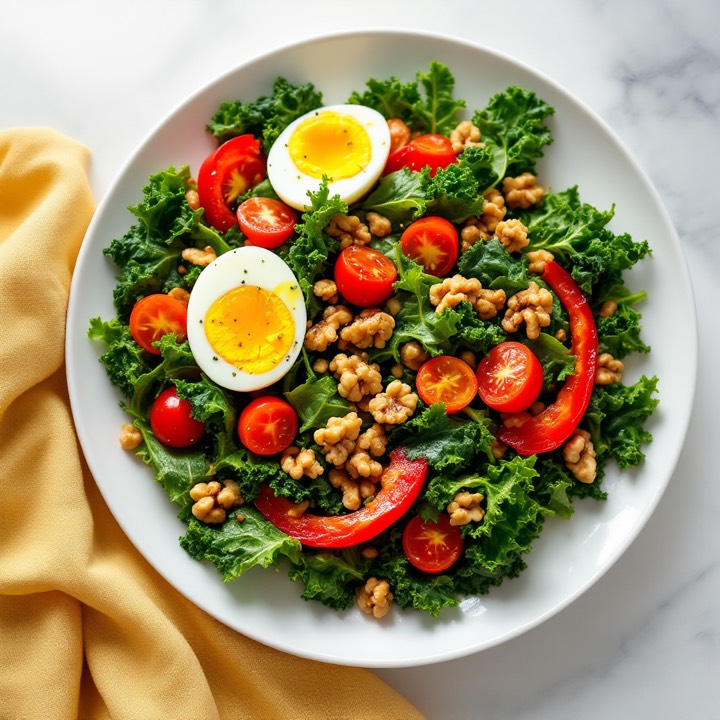
Vegetables at most meals
About half your plate
People who ate more vegetables had milder breakouts. Fill about half your plate.
the science
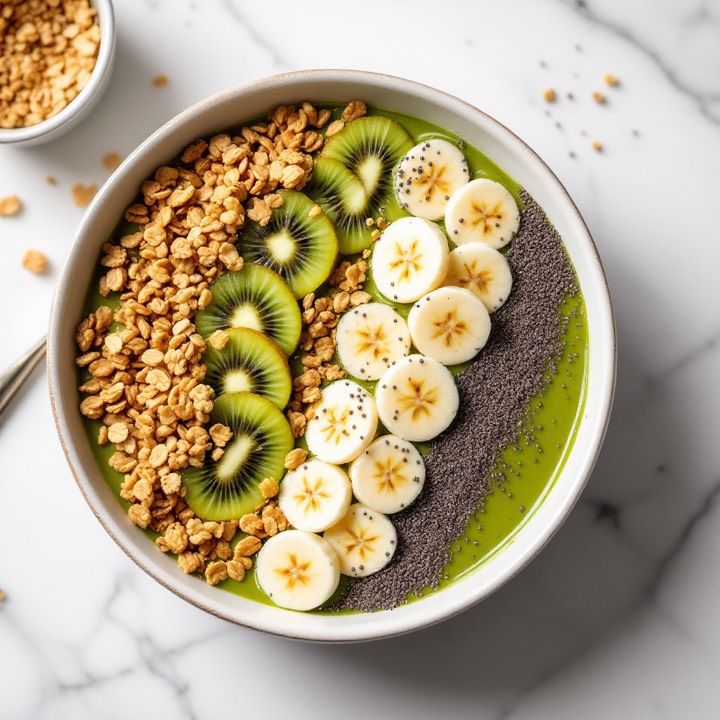
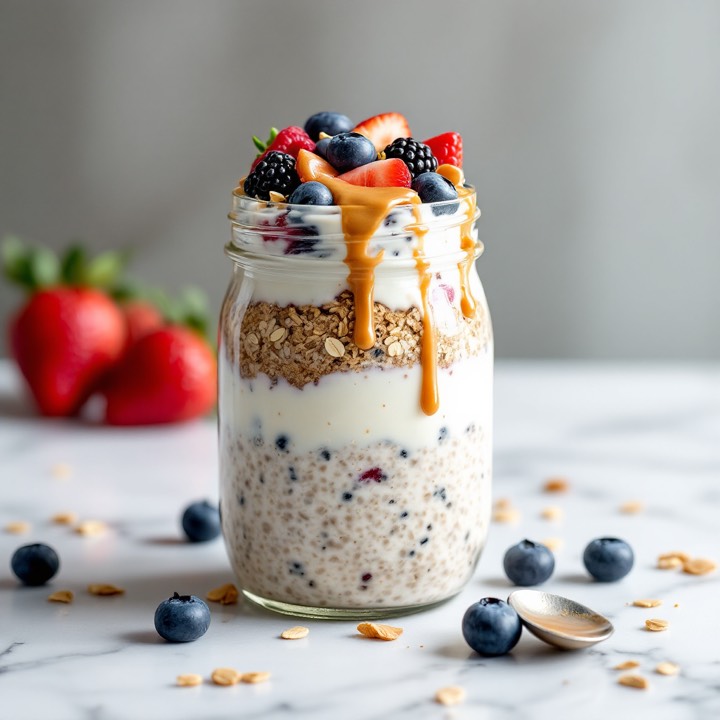
Make it tonight
recipes from the app
what about your plate?
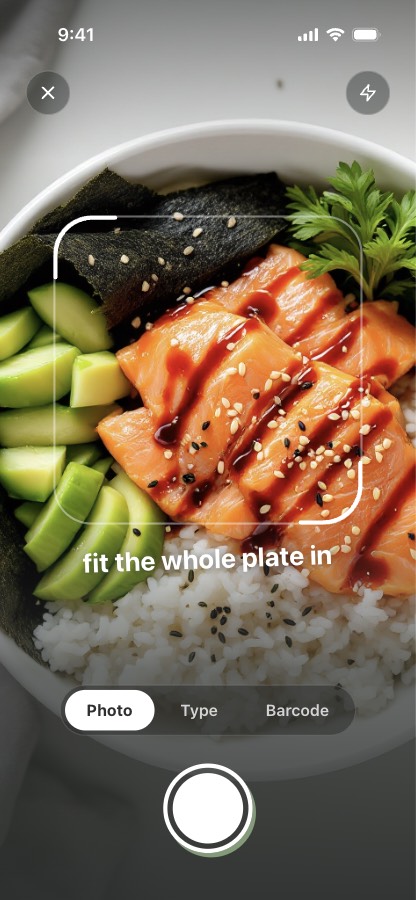
Snap your breakfast in Glowcast
See how it rates for your skin. 7-day trial on iPhone.


What's overhyped?
All dairy is the same
Drinking milk is the clearest story. Cheese and yogurt are mixed, and one big look found no link for either.
see the researchWhole milk is the safe one
Skim had the bigger story, but whole milk is in it too. Switching to whole is not a proven fix.
see the researchOrganic milk is safer
Nobody has tested organic milk on skin. Less of a growth signal in the carton has not been shown to mean clearer skin.
see the researchQuit dairy, clear skin in two weeks
Two weeks is too soon. Diet trials for acne took 10 to 12 weeks, so give your swap that long.
see the research
Does cheese cause acne?
Less clearly than milk. One big review found no clear cheese link, and another found only a weak one. Two smaller studies linked some cheese to more acne. Cheese also didn't raise the same growth signal milk does. If you love it, a little is a fair middle ground.
Does yogurt cause acne?
The studies disagree. One review linked yogurt to slightly more acne, another found no link, and a 2026 study from Jordan found yogurt eaters had milder acne. Keep yogurt if you love it; just don't count on it as a skin fix.
How long after quitting dairy do you see results?
Give it about 12 weeks. Diet trials for acne took 10 to 12 weeks to show a difference, and the American Academy of Dermatology says even treatments that work take 4 to 6 weeks to help. Note how your skin looks each week.
Does oat milk cause acne?
Nothing links oat milk to acne. Oat drinks sit close to cow's milk on sugar, about 4.4 g versus 4.7 g per 100 g. Pick unsweetened; soy and almond drinks average less sugar.
The research, in full
at a glance
| Food | Result | Human evidence | Mechanism |
|---|---|---|---|
| Cow's milk | linked to worse skin | Moderate | Supported |
| Skim vs whole milk | mixed | Limited | Speculative |
| Yogurt | mixed | Limited | Plausible |
| Cheese | mixed | Limited | Speculative |
| Whey protein shakes | mixed | Limited | Supported |
| Plant milks | not tested yet | Too little | Speculative |
| Organic milk | not tested yet | Too little | Speculative |
| Cutting dairy | not tested yet | Too little | Plausible |
| Plain tea | helped | Limited | Plausible |
| Low-GI carbs | helped | Limited | Supported |
| Vegetables | helped | Limited | Speculative |
Cow's milk
IGF-1 (insulin-like growth factor 1) is a hormone-like growth signal in your blood.
Three big reviews have pooled the studies on milk and acne, and all three point the same way. The newest, from 2019, found that people who drank the most milk had 1.48 times the odds of acne of those who drank the least. For skim milk the figure was 1.82 and for low-fat milk 1.25, and the more milk people drank, whole or skim, the higher the odds (Aghasi et al., 2019).
The largest review pooled 14 studies of 78,529 people aged 7 to 30 (Juhl et al., 2018). Any milk came with 1.28 times the odds of acne. The link showed up at about a glass a day (1.41 times the odds), while two to six glasses a week wasn't a clear link. A third review of 13 studies and 71,819 people found milk drinkers had 1.16 times the odds (Dai et al., 2018). A 2021 umbrella review, which concluded that milk does more good than harm overall, rated the certainty of the milk and acne finding moderate (Zhang et al., 2021).
Newer studies in other countries agree. In 24,452 French adults, milk came with 1.12 times the odds of current acne (Penso et al., 2020). In a 2026 study of 423 young people with acne in Jordan, plain (non-fermented) milk came with 1.37 times the odds of moderate-to-severe acne (Seetan et al., 2026).
Not every study agrees. A study of 20,416 Danish adults, which also looked at a gene variant tied to drinking milk, found no link (Juhl et al., 2018). A 2025 study of 386 people with acne found no link between dairy and how severe their acne was (Dhakal et al., 2025). And a 2022 review counted 16 of 23 dairy studies linking at least one dairy food to acne, and called the evidence mixed (Meixiong et al., 2022).
Why we say linked, not proven: these are observational studies, so they can't show that milk causes acne, or that giving it up helps. The largest review also found signs of publication bias, meaning studies that found nothing may have gone unpublished. And the links are modest, with most pooled results between 1.16 and 1.48 times the odds. We still grade the human evidence Moderate, because pooled studies from several countries agree and no trial has contradicted them.
Why milk might matter: it raises IGF-1, a growth signal. When 12 eight-year-old boys drank 1.5 litres of skim milk a day for a week, their IGF-1 rose by 19% (Hoppe et al., 2004). In 526 German adults, each extra 200 g of milk a day came with 10.0 µg/L more IGF-1 (Romo Ventura et al., 2020), and in German acne patients, IGF-1 went up with dairy intake (Guertler et al., 2023). In lab-grown oil-gland cells, IGF-1 switches on oil-making (Smith et al., 2008).
Skim vs whole milk
A 2019 study in Kabul found whole milk worse: drinking it three or more days a week came with 2.36 times the odds of moderate-to-severe acne, and low-fat milk showed a weaker link (Aalemi et al., 2019). In Norway, boys with high intakes of full-fat dairy had more acne, while skimmed dairy showed no link (Ulvestad et al., 2017).
In the pooled reviews, though, skim usually had the bigger numbers. A 2018 review found skim at 1.24 times the odds, low-fat at 1.14 and full-fat at 1.13 (Dai et al., 2018), and the largest review put low-fat or skim at 1.32 and whole milk at 1.22 (Juhl et al., 2018). A Harvard study of 47,355 women, who recalled their high-school diets as adults, found skim had the strongest link (1.44) and whole milk the weakest (1.12) (Adebamowo et al., 2005).
The popular reasons skim should be worse didn't hold up when they were measured. Skim and whole milk raised blood sugar about the same (glycemic index 37 and 42) and insulin about the same (insulin index 140 and 148) (Hoyt et al., 2005). Skim carries the least estrogen: 2.9 pg/mL of estrone, against 7.9 in whole milk (Pape-Zambito et al., 2010). And in boys, whey protein raised insulin by 21% but not IGF-1, while casein raised IGF-1 by 15% (Hoppe et al., 2009). Whole milk is linked too, so switching to it isn't a proven fix.
Yogurt
In a 2026 study of 423 young people with acne in Jordan, those who ate yogurt had lower odds of moderate-to-severe acne (0.65), while plain milk went with higher odds (1.37). The authors call this exploratory: a lead to test before anyone builds advice on it (Seetan et al., 2026).
The two big reviews that looked at yogurt disagree. The 2019 review found no significant link (Aghasi et al., 2019), while the 2018 review found yogurt came with 1.36 times the odds of acne, compared with no yogurt (Juhl et al., 2018). The growth-signal studies disagree too: yogurt protein went with higher IGF-1 in 11,815 UK adults (Watling et al., 2021), but yogurt wasn't linked to IGF-1 in the German study (Romo Ventura et al., 2020). We found no trial that fed people yogurt and measured their acne. Probiotic supplements are a separate question, covered in our gut and skin guide. The broader plate is on the anti-inflammatory diet.
Cheese
The 2019 review found no significant link between cheese and acne, or between yogurt and acne (Aghasi et al., 2019). The 2018 review found only a borderline one for cheese: 1.22 times the odds, compared with no cheese, with a range that reached down to no effect at all (Juhl et al., 2018).
Two other studies linked some cheese to acne. In a 2020 study of 53 people with acne and 53 without, the acne group ate more cheese (Akpinar Kara and Ozdemir, 2020), and the Harvard study of 47,355 women linked cottage cheese and cream cheese to acne (Adebamowo et al., 2005). The growth-signal idea doesn't fit cheese well: two diet studies found cheese wasn't tied to higher IGF-1 (Romo Ventura et al., 2020; Watling et al., 2021).
Whey protein shakes
A 2026 review lists whey protein supplements among the things observational studies have linked to acne (Dessinioti and Dreno, 2026). But the only trial we found saw no worsening: 49 men with mild to moderate acne took 30 g of whey a day or a non-whey supplement, and after 6 months the whey group's acne was no worse (Sompochpruetikul et al., 2024). In boys, whey raised insulin by 21% but not IGF-1 (Hoppe et al., 2009). More in our whey protein guide.
Plant milks
We searched PubMed on 15 September 2026 and found no study that measured acne after people drank soy, almond, oat or rice milk. What is known is how they compare with cow's milk. Semi-skimmed cow's milk has about 4.7 g of natural sugar (lactose) per 100 g, while plant drinks average about 2.1 g of sugar (soy), 2.7 g (almond), 4.4 g (oat) and 5.7 g (rice) per 100 g (Shkembi and Huppertz, 2023). In one set of lab tests, most plant drinks had a glycemic index a little above milk's, and rice and coconut drinks ran very high, up to 100.
In tests in people, soy milk's glycemic index was 34 and rice milk's 86, against 39 for full-fat milk and 37 for skim (Atkinson et al., 2008). Soy can nudge the growth signal up too: in pooled trials, soy raised IGF-1 (Zeng et al., 2020). So a plant milk is a handy way to drink less cow's milk, not a tested skin food. Pick unsweetened: in the French adult study, sugary drinks came with 1.18 times the odds of acne (Penso et al., 2020). More in our sugar guide.
Organic milk
We found no study that compared organic and regular milk on acne. In a 2019 test of milk from US shops, regular milk had three times the IGF-1 of organic milk, and twenty times the bovine growth hormone (Welsh et al., 2019). But organic and regular dairy carry much the same natural estrogens (Pape-Zambito et al., 2010). And less IGF-1 in the carton hasn't been shown to mean clearer skin.
Cutting dairy, and how long to give it
We found no trial of cutting dairy that has reported results. A 2026 review notes that controlled diet trials for acne are few, partly because everyday diets are hard to control (Dessinioti and Dreno, 2026), and the observational studies above can't show that giving up dairy helps (Juhl et al., 2018).
So how long should a swap get? The closest guide is diet trials for acne. A low-GI diet trial ran 12 weeks (Smith et al., 2007) and another 10 weeks (Kwon et al., 2012), while an 8-week trial saw no clear difference between diets, and its authors suggested longer trials might be needed (Reynolds et al., 2010). The American Academy of Dermatology says a treatment that works should show some improvement in 4 to 6 weeks, and clearing can take two to three months or longer (AAD, 2023). Our "about 12 weeks" comes from those timelines, not from a dairy study.
Plain tea
In a 2021 study of 2,467 Thai teens and adults, people who drank tea without milk or sugar had milder acne (adjusted odds ratio 0.61), and so did people who ate more vegetables (0.74) (Roengritthidet et al., 2021). The study didn't name the type of tea, so matcha is our suggestion, not its finding. It's a single observational study, so it can't show the tea did it.
A hint at why: in a 4-week trial of 80 women with acne, a daily decaffeinated green tea extract cut inflamed spots on the nose, chin and around the mouth, though not total spots (Lu and Hsu, 2016). That's an extract, not a cup of tea. For more foods like this, see our clear-skin guide.
Low-GI carbs
A 2022 review found high-GI diets were linked to more acne, "an observation supported by randomized controlled trials", which the dairy evidence doesn't have (Meixiong et al., 2022). A food's glycemic index (GI) is how fast it raises blood sugar: rolled-oat porridge scores 55, grainy bread 53 and kidney beans 24, against 79 for instant oat porridge (Atkinson et al., 2008).
In a 12-week trial of 43 young men, spots fell by 23.5 on a low-GI diet against 12.0 on a control diet (Smith et al., 2007). In a 10-week trial of 32 people, the low-GI group had fewer spots, both inflamed and not (Kwon et al., 2012). An 8-week trial found skin improved on both diets, with no clear difference between them (Reynolds et al., 2010). All three trials were small. More in our low-glycemic guide.
Vegetables
A 2025 review of five case-control studies found people who ate more vegetables had lower odds of acne (odds ratio 0.46), though it rated the quality of its evidence low (Taha et al., 2025). In Thailand, more vegetables went with milder acne (0.74) (Roengritthidet et al., 2021), and in Jordan, regular fruit and vegetables did too (0.66) (Seetan et al., 2026). All of these are observational, and we found no trial that has tested vegetables for acne.
Quick questions
Does dairy cause acne for everyone?
No. The link is a modest average across big groups, not a rule for every person. In one review, milk was linked to moderate-to-severe acne but not to mild acne (Dai et al., 2018), and a study of 20,416 Danish adults found no link at all (Juhl et al., 2018). Trying a swap is how you find out what it does for your skin. If your breakouts follow your cycle, the hormonal acne diet is a better place to start.
Do dermatologists say to cut dairy?
Not officially. The American Academy of Dermatology's 2024 guidelines found the evidence insufficient to recommend diet changes for acne (AAD, 2024). A 2026 review in a dermatology journal says dermatologists can already give diet advice aimed at balanced eating, while avoiding restrictive or potentially harmful diets (Dessinioti and Dreno, 2026). A single swap fits that advice better than cutting out every kind of dairy.
Does whey protein cause acne?
Surveys link whey shakes to breakouts, but the only trial saw no worsening: 49 men with acne took 30 g of whey a day or a non-whey supplement, and after 6 months their acne was no worse (Sompochpruetikul et al., 2024). There's more in our whey protein guide.
Why might milk affect your skin?
Milk can raise a growth signal in your blood that also tells oil glands to make more oil. When boys drank 1.5 litres of skim a day for a week, that signal rose by 19% (Hoppe et al., 2004). That's a plausible path, not proof it happens in your face. Wondering about the swap itself? See does oat milk cause acne?
Sources
- Aghasi M et al. Dairy intake and acne development: a meta-analysis of observational studies. Clin Nutr. 2019. pubmed.ncbi.nlm.nih.gov
- Juhl CR et al. Dairy intake and acne vulgaris: a systematic review and meta-analysis of 78,529 children, adolescents, and young adults. Nutrients. 2018. pmc.ncbi.nlm.nih.gov
- Dai R et al. The effect of milk consumption on acne: a meta-analysis of observational studies. J Eur Acad Dermatol Venereol. 2018. pubmed.ncbi.nlm.nih.gov
- Zhang X et al. Milk consumption and multiple health outcomes: umbrella review of systematic reviews and meta-analyses in humans. Nutr Metab (Lond). 2021. pmc.ncbi.nlm.nih.gov
- Penso L et al. Association between adult acne and dietary behaviors: findings from the NutriNet-Santé prospective cohort study. JAMA Dermatol. 2020. pubmed.ncbi.nlm.nih.gov
- Seetan K et al. Dietary patterns and acne severity in Middle Eastern youth: the negative correlation role of fermented dairy products. J Am Nutr Assoc. 2026. pubmed.ncbi.nlm.nih.gov
- Juhl CR et al. Lactase persistence, milk intake, and adult acne: a Mendelian randomization study of 20,416 Danish adults. Nutrients. 2018. pubmed.ncbi.nlm.nih.gov
- Dhakal B et al. Association of fast foods and dairy products in acne severity and scarring: a cross-sectional study. Ann Med Surg (Lond). 2025. pubmed.ncbi.nlm.nih.gov
- Meixiong J et al. Diet and acne: a systematic review. JAAD Int. 2022. pmc.ncbi.nlm.nih.gov
- Hoppe C et al. High intakes of skimmed milk, but not meat, increase serum IGF-I and IGFBP-3 in eight-year-old boys. Eur J Clin Nutr. 2004. pubmed.ncbi.nlm.nih.gov
- Romo Ventura E et al. Association of dietary intake of milk and dairy products with blood concentrations of insulin-like growth factor 1 (IGF-1) in Bavarian adults. Eur J Nutr. 2020. pubmed.ncbi.nlm.nih.gov
- Guertler A et al. Dietary patterns in acne and rosacea patients: a controlled study and comprehensive analysis. Nutrients. 2023. pubmed.ncbi.nlm.nih.gov
- Smith TM et al. IGF-1 induces SREBP-1 expression and lipogenesis in SEB-1 sebocytes via activation of the phosphoinositide 3-kinase/Akt pathway. J Invest Dermatol. 2008. pubmed.ncbi.nlm.nih.gov
- Aalemi AK et al. Dairy consumption and acne: a case control study in Kabul, Afghanistan. Clin Cosmet Investig Dermatol. 2019. pubmed.ncbi.nlm.nih.gov
- Ulvestad M et al. Acne and dairy products in adolescence: results from a Norwegian longitudinal study. J Eur Acad Dermatol Venereol. 2017. pubmed.ncbi.nlm.nih.gov
- Adebamowo CA et al. High school dietary dairy intake and teenage acne. J Am Acad Dermatol. 2005. pubmed.ncbi.nlm.nih.gov
- Hoyt G et al. Dissociation of the glycaemic and insulinaemic responses to whole and skimmed milk. Br J Nutr. 2005. pubmed.ncbi.nlm.nih.gov
- Pape-Zambito DA et al. Estrone and 17beta-estradiol concentrations in pasteurized-homogenized milk and commercial dairy products. J Dairy Sci. 2010. pubmed.ncbi.nlm.nih.gov
- Hoppe C et al. Differential effects of casein versus whey on fasting plasma levels of insulin, IGF-1 and IGF-1/IGFBP-3: results from a randomized 7-day supplementation study in prepubertal boys. Eur J Clin Nutr. 2009. pubmed.ncbi.nlm.nih.gov
- Watling CZ et al. Associations of circulating insulin-like growth factor-I with intake of dietary proteins and other macronutrients. Clin Nutr. 2021. pubmed.ncbi.nlm.nih.gov
- Akpinar Kara Y, Ozdemir D. Evaluation of food consumption in patients with acne vulgaris and its relationship with acne severity. J Cosmet Dermatol. 2020. pubmed.ncbi.nlm.nih.gov
- Dessinioti C, Dreno B. Diet and acne: facts and controversies. J Eur Acad Dermatol Venereol. 2026. pubmed.ncbi.nlm.nih.gov
- Sompochpruetikul K et al. Whey protein and male acne: a double-blind, randomized controlled trial. J Dermatol. 2024. pubmed.ncbi.nlm.nih.gov
- Shkembi B, Huppertz T. Glycemic responses of milk and plant-based drinks: food matrix effects. Foods. 2023. pmc.ncbi.nlm.nih.gov
- Atkinson FS et al. International tables of glycemic index and glycemic load values: 2008. Diabetes Care. 2008. pmc.ncbi.nlm.nih.gov
- Zeng J et al. The effect of soy intervention on insulin-like growth factor 1 levels: a meta-analysis of clinical trials. Phytother Res. 2020. pubmed.ncbi.nlm.nih.gov
- Welsh JA et al. Production-related contaminants (pesticides, antibiotics and hormones) in organic and conventionally produced milk samples sold in the USA. Public Health Nutr. 2019. pubmed.ncbi.nlm.nih.gov
- Smith RN et al. A low-glycemic-load diet improves symptoms in acne vulgaris patients: a randomized controlled trial. Am J Clin Nutr. 2007. pubmed.ncbi.nlm.nih.gov
- Kwon HH et al. Clinical and histological effect of a low glycaemic load diet in treatment of acne vulgaris in Korean patients: a randomized, controlled trial. Acta Derm Venereol. 2012. pubmed.ncbi.nlm.nih.gov
- Reynolds RC et al. Effect of the glycemic index of carbohydrates on acne vulgaris. Nutrients. 2010. pubmed.ncbi.nlm.nih.gov
- American Academy of Dermatology. 9 things to try when acne won't clear. Patient page, last updated 12 September 2023. aad.org
- American Academy of Dermatology. American Academy of Dermatology issues updated guidelines for the management of acne. News release. 2024. aad.org
- Roengritthidet K et al. Association between diet and acne severity: a cross-sectional study in Thai adolescents and adults. Acta Derm Venereol. 2021. pubmed.ncbi.nlm.nih.gov
- Lu PH, Hsu CH. Does supplementation with green tea extract improve acne in post-adolescent women? A randomized, double-blind, and placebo-controlled clinical trial. Complement Ther Med. 2016. pubmed.ncbi.nlm.nih.gov
- Taha S et al. The Mediterranean diet and acne vulgaris: a systematic review and meta-analysis. Nutr Metab (Lond). 2025. pubmed.ncbi.nlm.nih.gov
Written and fact-checked by Glowcast against the sources above. Spot an error? Tell us via our About page. Food inspo, not medical advice. For skin that worries you, see a dermatologist. How we check the science