at a glance
Slow carbs, fewer spots.
Build most carbs from oats, beans, barley and pasta. In 43 men, a 12-week slow-carb plate cut spots more than a fast-carb one. Swap white bread and sugary drinks.
What should you eat on a low-GI diet for acne?
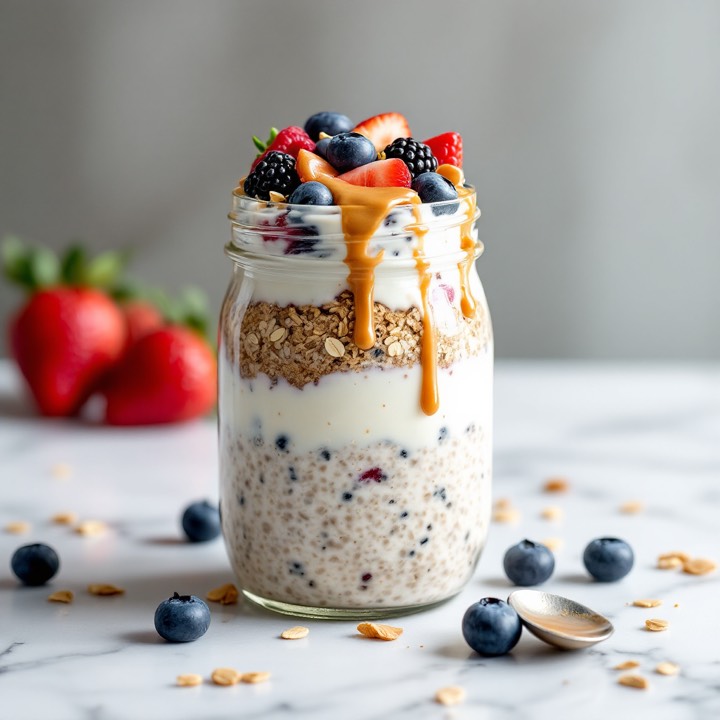
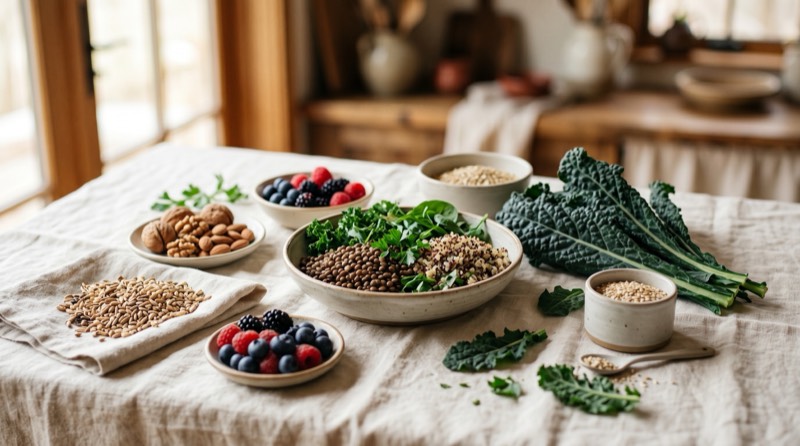
Oats, beans and barley
Most of your carbs
Slow carbs raise blood sugar gently. In about 10 weeks, this kind of eating led to smaller oil glands.
the sciencePasta
Most weeks
Pasta is a slow carb. A slow-carb plate that used this kind of carb cut spots more than a fast-carb one.
the science
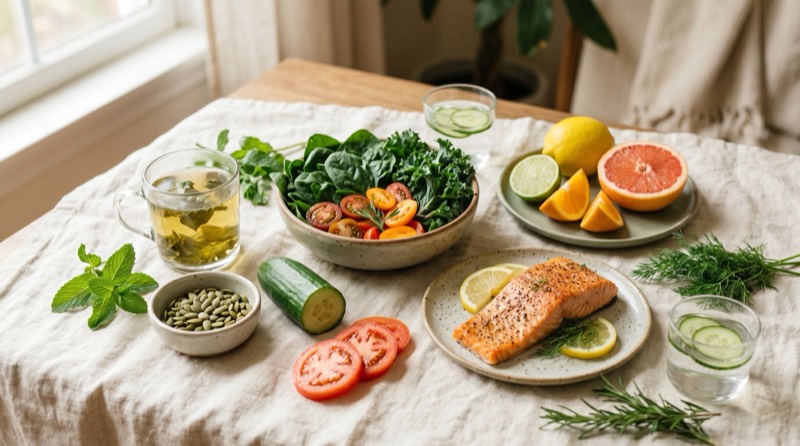
Vegetables
At most meals
Greens sit in the slow-carb zone. People who ate more vegetables had milder breakouts.
the science
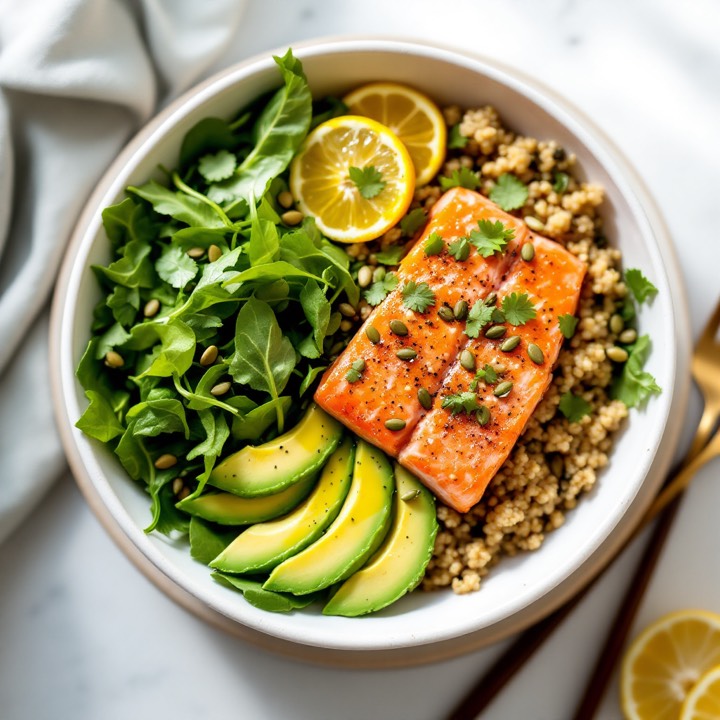
Make it tonight
recipes from the app
What should you swap?
White bread and white rice→Beans, barley, or grainy bread
White bread and white rice spike blood sugar fast. White-rice eaters had worse acne.
see the researchSugary drinks and instant oats→Water, or rolled oats
Instant oats hit blood sugar fast, while rolled oats are the slower bowl. Daily soda is the other easy cut.
see the research
what about your plate?
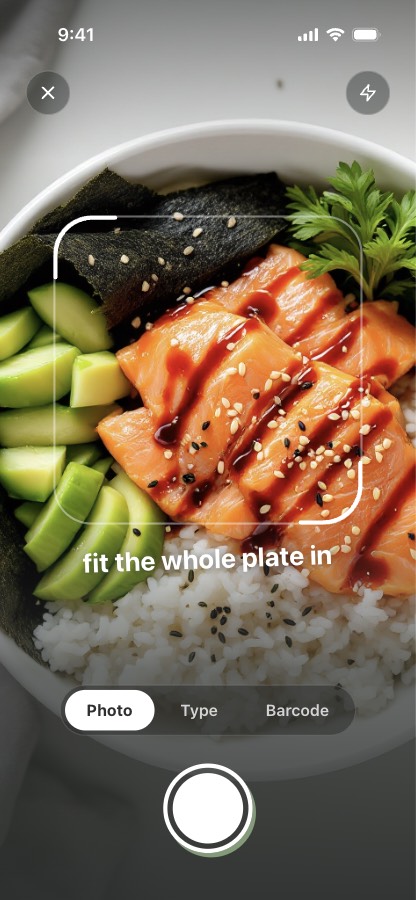
Snap your lunch in Glowcast
See how it rates for your skin. 7-day trial on iPhone.


What's overhyped?
Whole wheat bread as the fix
Whole wheat bread sits almost as high as white bread on the blood-sugar tables. Grainy or sourdough loaves are the actual slow swap.
see the researchBrown rice as the fix
Brown rice is only a little slower than white. Better: barley or beans.
see the research
What is a low glycemic diet for acne?
Most of your carbs come from foods that raise blood sugar slowly. Oats, beans, pasta and greens sit there. White bread and most breakfast cereals do not.
How long does a low-GI diet take for acne?
Plan on 10 to 12 weeks. Two trials that found a benefit ran that long. An 8-week trial in 58 teenage boys saw skin improve on both diets, with no clear difference. A growth signal in blood fell after 2 weeks in one trial of 66 adults.
Is a low-GI diet the same as cutting carbs?
No. It is slower carbs, not fewer carbs. Lentils, rolled oats, pasta and most fruit stay. White bread, white rice, instant oats and sugary drinks are the usual cuts.
Does dairy still matter on a low-GI diet?
Yes. Skim milk's blood-sugar speed is slow, so sugar speed is not the likely reason milk still has an acne story. See our dairy page if you drink a lot of milk.
Is wholegrain always low-GI?
No. Whole wheat bread and brown rice are still fast-ish. Wholegrain is not a slow-carb stamp. Check the food, not the label word.
Is sugar the same problem as a high-GI diet?
Sugar is one fast-carb input. The trials changed the whole carb pattern, not just dessert. Daily soda still lined up with worse acne in 8,226 students. More on the sugar page.
The research, in full
at a glance
| Food | Result | Human evidence | Mechanism |
|---|---|---|---|
| Low-GI carbs | helped | Moderate | Supported |
| Vegetables | helped | Limited | Speculative |
| High-GI carbs | linked to worse skin | Limited | Supported |
| Whole wheat bread | mixed | Too little | Speculative |
| Brown rice | mixed | Too little | Speculative |
Low-GI carbs
Glycemic index (GI) is a scale of how fast a food raises your blood sugar. It runs from 0 to 100, with pure glucose at the top. Foods at 55 or below count as low-GI (MedlinePlus).
A 2022 review found high-GI diets were linked to more acne, "an observation supported by randomized controlled trials" (Meixiong et al., 2022).
In a 12-week trial of 43 young men, spots fell by 23.5 on a low-GI diet against 12.0 on a control diet. The diet group also lost 2.9 kg (Smith et al., 2007). In a 2012 trial of 32 people, a low-GI diet for 10 weeks led to fewer spots and smaller oil glands (Kwon et al., 2012).
In a trial of 66 adults, IGF-1 decreased after 2 weeks on a low-GI diet (Burris et al., 2018). A 2024 controlled trial of 50 women aged 15 to 35, 25 per group, used dietary counseling plus low-GL foods for 12 weeks. Average acne severity in the treatment group fell from 2.68 to 1.56 (Raza et al., 2024).
Not every trial found a benefit. In 58 teenage boys, facial acne improved on both a low-GI and a high-GI diet over 8 weeks (by 26% and 16%), with no clear difference between them. The authors said longer trials might be needed (Reynolds et al., 2010).
| Instead of | GI | Try | GI |
|---|---|---|---|
| Boiled potato | 78 | Kidney beans | 24 |
| White bread | 75 | Chickpeas | 28 |
| White rice | 73 | Barley | 28 |
We grade the human evidence Moderate: randomised trials in men and in mixed-sex groups, a controlled trial in women, in more than one country, plus a 2022 review. The Reynolds trial is the null. Pasta is on the low-GI list (MedlinePlus names pasta). More swaps in our oily skin foods guide, the acne plate on foods for clear skin, and how to track meals against your skin.
Vegetables
Greens and other non-starchy vegetables are low-GI. Foods at 55 or below count as low (MedlinePlus). In a survey of 2,467 Thai teens and adults, eating vegetables was associated with less severe acne, with an adjusted odds ratio of 0.74 (Roengritthidet et al., 2021). We found no trial that has tested vegetables alone for acne.
High-GI carbs
Among 2,467 Thai teens and adults, white rice went with more severe acne (adjusted odds ratio 1.80) (Roengritthidet et al., 2021). In a survey of 8,226 Chinese students, drinking soft drinks every day was associated with moderate to severe acne. The association was strongest above 100 g of sugar a day from drinks (Huang et al., 2019).
Instant oat porridge sits at 79, white bread at 75 and white rice at 73 (Atkinson et al., 2008). MedlinePlus puts rolled oats in the low-GI bracket, which runs from 0 to 55, without giving it a number. See how sugar affects skin.
Whole wheat bread
Whole wheat / whole meal bread sits at 74 ± 2, white wheat bread at 75 ± 2 (Atkinson et al., 2008). We found no trial that fed people whole wheat bread and measured acne. Switching the colour of the loaf is not the diet those trials tested.
Brown rice
Brown rice, boiled, sits at 68 ± 4, white rice, boiled, at 73 ± 4. Barley sits at 28 ± 2 and kidney beans at 24 ± 4 (Atkinson et al., 2008). We found no trial of brown rice for acne. The Thai survey linked white rice to more severe acne, not a brown-rice swap (Roengritthidet et al., 2021).
Milk on a low-GI plate
Skim milk's GI is only 37 (Atkinson et al., 2008). A 2018 meta-analysis of 14 studies and 78,529 young people still associated any milk with higher odds of acne (odds ratio 1.28), and skim milk slightly more (1.32) (Juhl et al., 2018). When the American Academy of Dermatology updated its acne guidelines in 2024, available evidence was insufficient to develop recommendations for dietary changes (AAD, 2024). That is a guideline gap. The small low-GI trials still measured fewer spots. More on whether dairy causes acne.
Quick questions
What is a low glycemic diet for acne?
Most of your carbs come from foods that raise blood sugar slowly. In 43 men, a 12-week slow-carb plate cut spots more than a fast-carb one (Smith et al., 2007). Think oats, beans, pasta and greens, not white bread.
How long does a low-GI diet take?
The trials that found a benefit ran 10 to 12 weeks. An 8-week trial in 58 teenage boys saw skin improve on both diets, with no clear difference. A growth signal in blood fell after 2 weeks in one trial of 66 adults. Give it the full 12 weeks.
Is wholegrain bread low-GI?
Not always. Whole wheat bread sits almost as high as white bread, so swapping the colour of the loaf is not a real slow-carb cut. Grainy or sourdough loaves are the slower swap. Check the food, not the brown label.
Should you also cut dairy?
Milk is a separate question. Skim milk's blood-sugar number is only 37, so sugar speed is not the likely reason reviews still link milk to acne. Cheese and yogurt are a weaker story. See dairy and acne if you drink a lot of milk.
Sources
- Meixiong J et al. Diet and acne: a systematic review. JAAD Int. 2022. pmc.ncbi.nlm.nih.gov
- Smith RN et al. A low-glycemic-load diet improves symptoms in acne vulgaris patients: a randomized controlled trial. Am J Clin Nutr. 2007. pubmed.ncbi.nlm.nih.gov
- Kwon HH et al. Clinical and histological effect of a low glycaemic load diet in treatment of acne vulgaris in Korean patients: a randomized, controlled trial. Acta Derm Venereol. 2012. pubmed.ncbi.nlm.nih.gov
- Burris J et al. A low glycemic index and glycemic load diet decreases insulin-like growth factor-1 among adults with moderate and severe acne. J Acad Nutr Diet. 2018. pubmed.ncbi.nlm.nih.gov
- Raza Q et al. Effect of a low-glycemic-load diet and dietary counseling on acne vulgaris severity among female patients aged 15 to 35 years. Cureus. 2024. pubmed.ncbi.nlm.nih.gov
- Roengritthidet K et al. Association between diet and acne severity: a cross-sectional study in Thai adolescents and adults. Acta Derm Venereol. 2021. pubmed.ncbi.nlm.nih.gov
- Reynolds RC et al. Effect of the glycemic index of carbohydrates on acne vulgaris. Nutrients. 2010. pubmed.ncbi.nlm.nih.gov
- Atkinson FS et al. International tables of glycemic index and glycemic load values: 2008. Diabetes Care. 2008. pmc.ncbi.nlm.nih.gov
- MedlinePlus. Glycemic index and diabetes. US National Library of Medicine. medlineplus.gov
- Huang X et al. Daily intake of soft drinks and moderate-to-severe acne vulgaris in Chinese adolescents. J Pediatr. 2019. pubmed.ncbi.nlm.nih.gov
- Juhl CR et al. Dairy intake and acne vulgaris: a systematic review and meta-analysis of 78,529 children, adolescents, and young adults. Nutrients. 2018. pmc.ncbi.nlm.nih.gov
- American Academy of Dermatology. American Academy of Dermatology issues updated guidelines for the management of acne. News release. 2024. aad.org
Written and fact-checked by Glowcast against the sources above. Spot an error? Tell us via our About page. Food inspo, not medical advice. For skin that worries you, see a dermatologist. How we check the science