at a glance
Gym surveys link it.
In 201 men at gyms, 47% of those with acne used whey, against 27.7% without. A 6-month trial in 49 men found 30 g a day did not make acne worse. Swap to pea if shakes line up with breakouts.
What can you have instead?
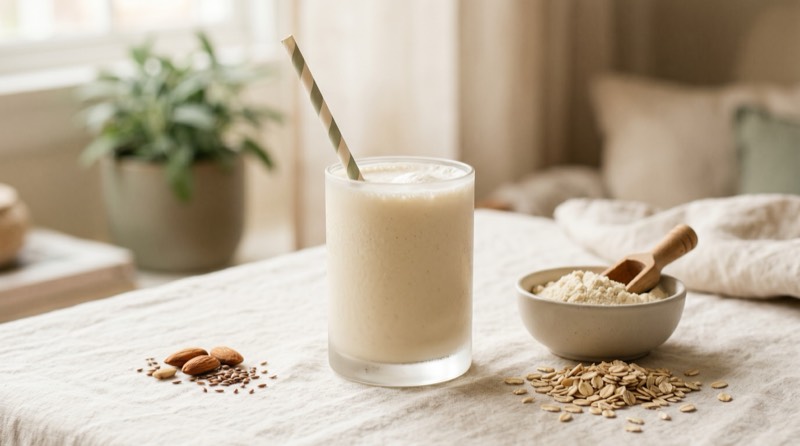
A daily whey shake→Pea protein
Gym surveys keep seeing whey next to breakouts. If shakes match your flares, swap to pea.
see the researchA second whey scoop→Food protein, or stop at one scoop
The gym survey asked if you used whey, not how much. The trial that saw no worsening used 30 g a day.
see the research
Make it tonight
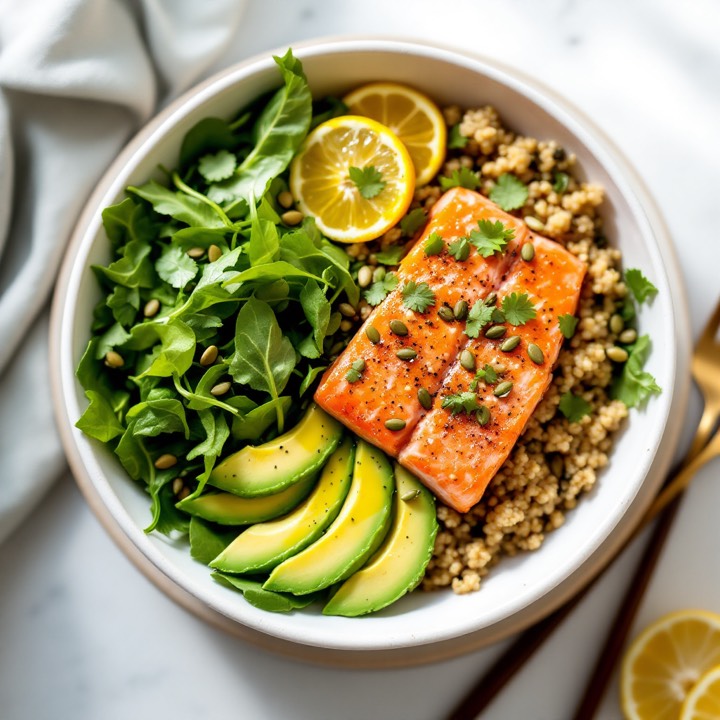
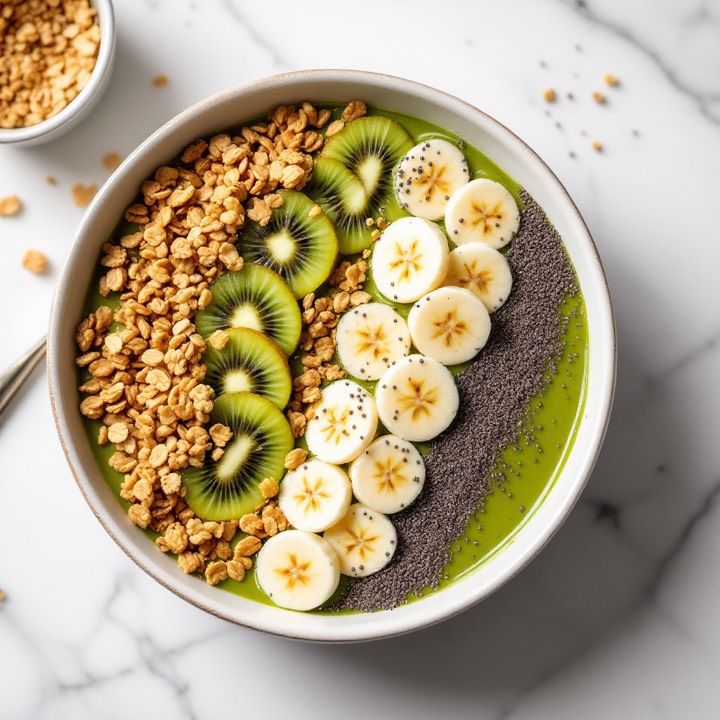
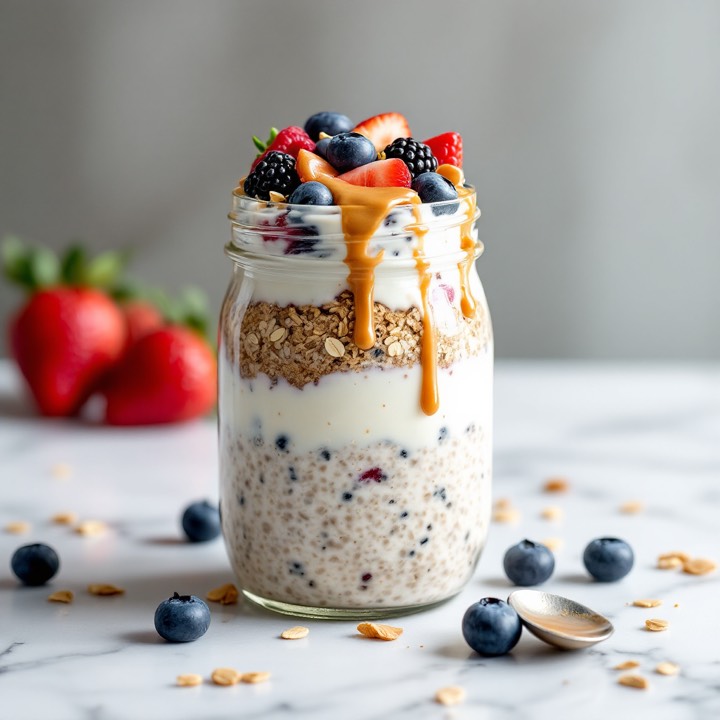
recipes from the app
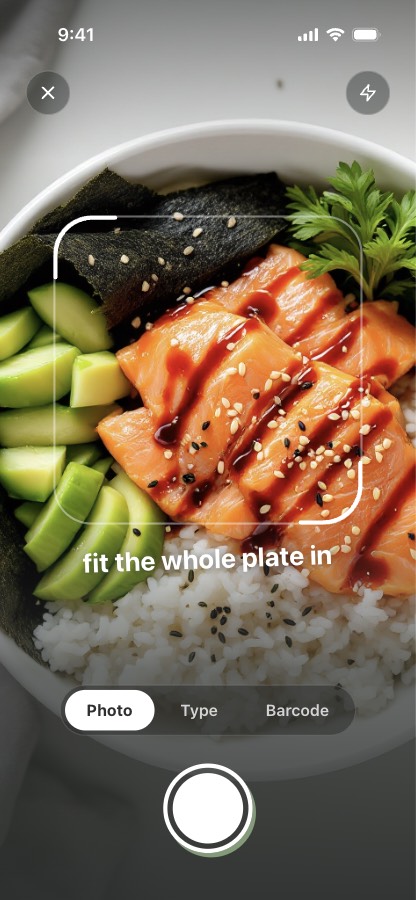
what about your plate?
Snap your shake in Glowcast
See how it rates for your skin. 7-day trial on iPhone.


What's overhyped?
Whey isolate
Isolate still has the same whey proteins. Nobody has compared isolate with concentrate for acne.
see the researchCasein powder
Casein raised a growth signal in blood. Nobody has tested casein powder on acne.
see the research
Does whey isolate cause less acne than concentrate?
Nobody has compared them head to head. Isolate has less lactose and fat, but the whey proteins remain. If you swap, swap the protein, not just the filter.
Does whey protein raise IGF-1?
Not in the trial that split milk proteins. Whey raised fasting insulin and did not change that growth signal. Casein did. That is a blood test, not your face.
How long after stopping whey might skin change?
Give a swap about 12 weeks. Acne diet trials ran 10 to 12 weeks. Skin that is going to improve often starts to in 4 to 6 weeks, and clearing can take two to three months.
What protein powder will not cause acne?
Nobody has run an acne trial of pea, rice, hemp or egg-white powder. Pea is the usual swap because it is not dairy whey. That is a gap, not a green light.
Who is most likely to break out on whey?
The gym survey and the trial both studied young men. In five teenage athletes, acne flared after whey and cleared in four after they stopped. Nobody has run a trial in women.
Does the 2024 trial mean whey is safe for skin?
It means 30 g a day did not worsen acne, on average, in 49 young men with mild to moderate acne over 6 months. It does not cancel the gym survey, and it was not a study of people whose skin already flared on whey.
The research, in full
at a glance
| Food | Result | Human evidence | Mechanism |
|---|---|---|---|
| Whey protein | linked to worse skin | Limited | Supported |
| Whey isolate | not tested yet | Too little | Plausible |
| Casein powder | not tested yet | Too little | Plausible |
Whey protein
Whey is the liquid protein left when milk is made into cheese, then dried into powder for shakes.
In a 2024 study of 201 men at gyms in Jordan, 100 with acne and 101 without, 47% of those with acne had taken whey in the previous 3 months, against 27.7% of those without (p = 0.0047). After adjustment, the odds of acne were 2.94 times higher in whey users (95% CI 1.11 to 7.82) (Muhaidat et al., 2024).
A 2026 review lists whey protein supplements among the foods observational studies have linked to acne (Dessinioti and Dreno, 2026). Case notes go the same way: five teenage athletes flared after starting whey, and lesions fully cleared in 4 after they stopped (Silverberg, 2012). Five male bodybuilders developed acne after whey too (Simonart, 2012).
The only randomised trial found no worsening. 49 men with mild to moderate acne took 30 g of whey a day (n = 25) or a non-whey supplement (n = 24) for 6 months. The between-group difference in facial lesions was −5.99 (95% CI −13.18 to 1.19, p = 0.09) and in truncal lesions −2.18 (95% CI −11.83 to 7.48, p = 0.65). The authors called whey non-inferior (Sompochpruetikul et al., 2024). We still grade the human evidence Limited: one gym survey plus case notes, against one trial of 49 men. More on dairy and acne and the wider breakout foods list.
Casein powder
IGF-1 (insulin-like growth factor 1) is a growth signal in your blood, and whey is often blamed for raising it. The trial that split milk proteins found otherwise.
In 57 eight-year-old boys, whey raised fasting insulin by 21% (P = 0.006), with no change in IGF-1 (P = 0.27). Casein raised IGF-1 by 15% (P < 0.0001), with no change in fasting insulin (Hoppe et al., 2009). So the insulin rise is measured for whey. The IGF-1 rise is measured for casein.
A 2015 review still groups dairy protein supplements with milk as foods to restrict if you want to calm the insulin and IGF-1 signal in oil glands (Melnik, 2015). In the Jordan gym study, casein-and-whey blends did not differ between men with and without acne (Muhaidat et al., 2024). We found no trial of casein powder and acne. For another high-leucine food, see eggs and acne.
Whey isolate
A 2022 review found no interventional study linking whey or casein ingestion with acne severity or prevalence (Meixiong et al., 2022). The 2024 trial used whey protein, not a head-to-head of isolate versus concentrate (Sompochpruetikul et al., 2024). We found no trial that compared those forms for skin. Isolate is still whey.
Pea and other powders
We searched PubMed on 16 September 2026 for pea protein and acne and found no study. Reviews still call for more diet trials rather than naming a safe powder (Dessinioti and Dreno, 2026). When the American Academy of Dermatology updated its acne guidelines in 2024, available evidence was insufficient to develop recommendations for dietary changes (AAD, 2024). Pea is a swap because it is not dairy whey, not because a trial cleared it. The acne plate itself is on foods for clear skin.
How long to give a swap
We found no trial of stopping whey that reported a timeline. The closest guides are acne diet trials: 12 weeks in 43 young men (Smith et al., 2007) and 10 weeks in 32 people (Kwon et al., 2012). The American Academy of Dermatology says a treatment that works should show some improvement in 4 to 6 weeks, and clearing can take two to three months or longer (AAD, 2023). Our "about 12 weeks" comes from those timelines, not from a whey-withdrawal study. Low-GI eating is the diet those trials actually tested; see the low-glycemic guide.
Quick questions
Does whey protein cause acne?
Gym surveys link it: in 201 men, 47% of those with acne used whey, against 27.7% without (Muhaidat et al., 2024). A 6-month trial in 49 men found 30 g a day did not make acne worse (Sompochpruetikul et al., 2024). If shakes line up with flares, swap to pea.
Does whey protein raise IGF-1?
Not in the split-protein trial. In 57 boys, whey raised fasting insulin by 21% and did not change IGF-1; casein raised IGF-1 by 15% and did not change insulin (Hoppe et al., 2009). IGF-1 is a growth signal in blood, not a pimple count.
Does whey isolate cause less acne?
Isolate still contains the same whey proteins. The 2024 trial in 49 men used whey protein at 30 g a day, not a head-to-head of isolate versus concentrate. If your skin lines up with shakes, swap the protein, not just the filter.
How long after stopping whey will skin clear?
Nobody has timed stopping whey. Acne diet trials ran 10 to 12 weeks, so give a swap about that long before you judge it. Track your own skin while you wait those 10 to 12 weeks. More on cutting dairy.
Sources
- Muhaidat J et al. The effect of whey protein supplements on acne vulgaris among male adolescents and young adults: a case-control study from north of Jordan. Dermatol Res Pract. 2024. pmc.ncbi.nlm.nih.gov
- Sompochpruetikul K et al. Whey protein and male acne: a double-blind, randomized controlled trial. J Dermatol. 2024. pubmed.ncbi.nlm.nih.gov
- Hoppe C et al. Differential effects of casein versus whey on fasting plasma levels of insulin, IGF-1 and IGF-1/IGFBP-3. Eur J Clin Nutr. 2009. pubmed.ncbi.nlm.nih.gov
- Dessinioti C, Dreno B. Diet and acne: facts and controversies. J Eur Acad Dermatol Venereol. 2026. pubmed.ncbi.nlm.nih.gov
- Meixiong J et al. Diet and acne: a systematic review. JAAD Int. 2022. pmc.ncbi.nlm.nih.gov
- Silverberg NB. Whey protein precipitating moderate to severe acne flares in 5 teenaged athletes. Cutis. 2012. pubmed.ncbi.nlm.nih.gov
- Simonart T. Acne and whey protein supplementation among bodybuilders. Dermatology. 2012. pubmed.ncbi.nlm.nih.gov
- Melnik BC. Linking diet to acne metabolomics, inflammation, and comedogenesis: an update. Clin Cosmet Investig Dermatol. 2015. pubmed.ncbi.nlm.nih.gov
- American Academy of Dermatology. American Academy of Dermatology issues updated guidelines for the management of acne. News release. 2024. aad.org
- American Academy of Dermatology. 9 things to try when acne won't clear. 2023. aad.org
- Smith RN et al. A low-glycemic-load diet improves symptoms in acne vulgaris patients: a randomized controlled trial. Am J Clin Nutr. 2007. pubmed.ncbi.nlm.nih.gov
- Kwon HH et al. Clinical and histological effect of a low glycaemic load diet in treatment of acne vulgaris in Korean patients: a randomized, controlled trial. Acta Derm Venereol. 2012. pubmed.ncbi.nlm.nih.gov
Written and fact-checked by Glowcast against the sources above. Spot an error? Tell us via our About page. Food inspo, not medical advice. For skin that worries you, see a dermatologist. How we check the science