at a glance
Plants, not probiotic yogurt.
Eat vegetables, oats and beans. A probiotic capsule helped in one 12-week trial: about twice as many people got better as on a plain pill. Yogurt is not that capsule.
What should you eat for gut and skin?
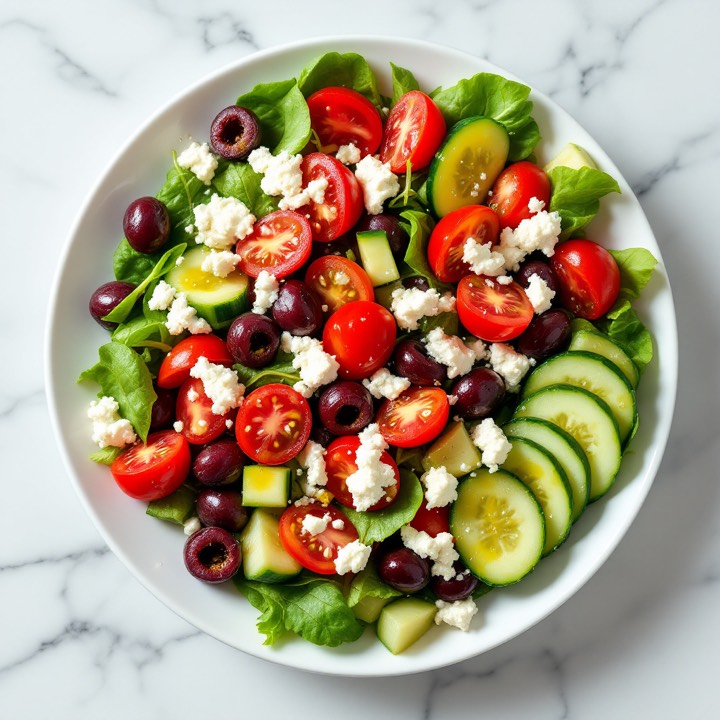
Vegetables
At most meals
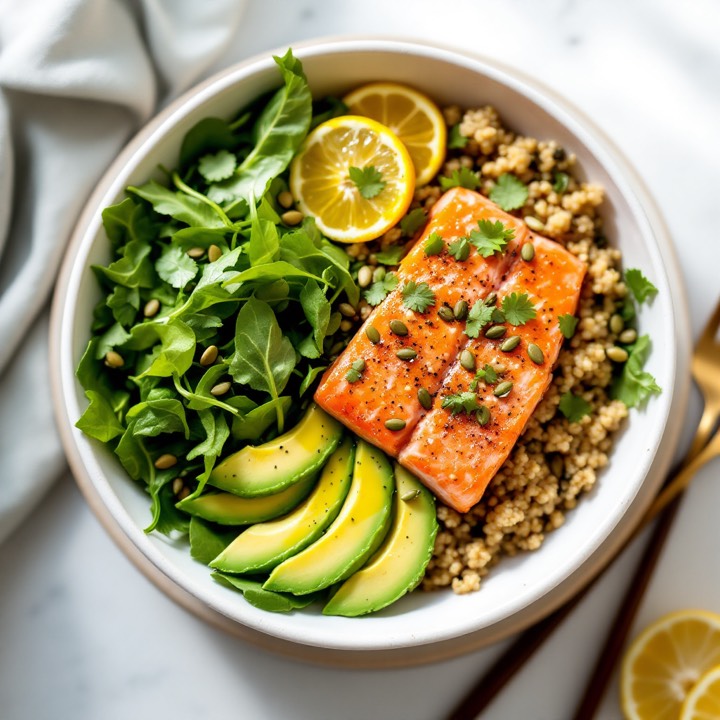
People who ate more vegetables had milder breakouts. Cover about half the plate.
the science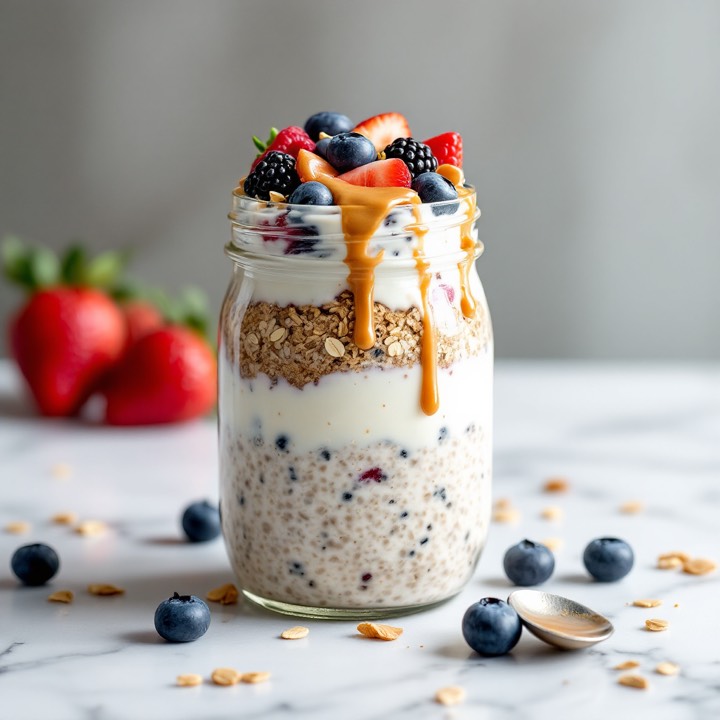
Oats and beans
Most of your carbs
Slow carbs raise blood sugar gently. A slow-carb plate cut spots more than a fast-carb one.
the scienceOily fish
About twice a week
People with worse acne ate less fish. Twice a week is a fair target.
the science
Make it tonight
recipes from the app
What should you swap?
A daily soda→Water or unsweetened tea
If soda is daily, start there. People who drank it every day had worse breakouts.
see the researchA glass of skim milk→Unsweetened soy or almond milk
People who drank the most skim as teens had more severe acne. Swap the glass.
see the researchWhite bread or white rice→Oats, beans or grainy bread
White bread and white rice spike blood sugar fast. White-rice eaters had worse acne.
see the research
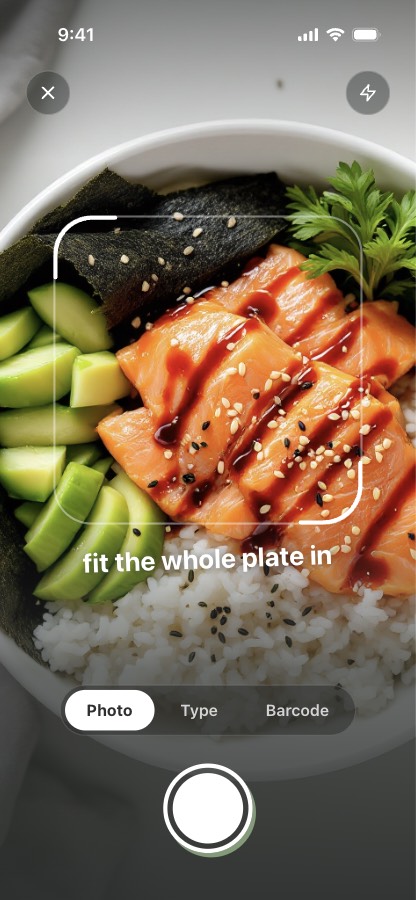
what about your plate?
Snap your lunch in Glowcast
See how it rates for your skin. 7-day trial on iPhone.


What's overhyped?
Yogurt or kimchi as an acne probiotic
One capsule helped in a 12-week trial. That was a pill, not yogurt or kimchi.
see the researchA leaky-gut diet
Two blood tests ran higher in people with acne. Nobody has tested a leaky-gut meal plan on pimples.
see the researchA gut cleanse
A paper said a gut overgrowth shows up more in people with acne. It did not run a cleanse. Skip the kit.
see the research
What is the gut-skin axis?
It is the two-way chat between gut bugs and skin. A 2024 gene study linked four gut-bug groups to acne. That study does not tell you which foods to eat. The food list here comes from acne diet trials and surveys.
Do probiotics help acne?
One capsule did. In a 12-week trial in people aged 12 to 30, about twice as many people got better on the capsule as on a dummy pill. It held one bacterial strain plus spirulina. Yogurt and kimchi are not that pill.
Does leaky gut cause acne?
Blood tests that mark a leakier gut wall ran higher in people with acne in two studies, one of 77 people and one of 75. That is a link, not proof. Nobody has tested a leaky-gut meal plan against pimples.
What foods support the gut-skin axis?
Vegetables, oats, beans and oily fish. Vegetable eaters had milder acne in a Thai survey of 2,467 people. A slow-carb plate cut spots in a 12-week trial of 43 men. Fermented foods raised gut diversity in 36 adults, with no skin measure.
How long after changing food does skin change?
Nobody has timed one meal against a pimple. The capsule trial ran 12 weeks. Acne diet trials ran 10 to 12 weeks. Skin that is going to improve often starts to in 4 to 6 weeks, and clearing can take two to three months.
The research, in full
at a glance
| Food | Result | Human evidence | Mechanism |
|---|---|---|---|
| Vegetables | helped | Limited | Speculative |
| Low-GI carbs | helped | Limited | Supported |
| Oily fish | helped | Limited | Speculative |
| Sugary drinks | linked to worse skin | Limited | Supported |
| Cow's milk | linked to worse skin | Moderate | Supported |
| High-GI carbs | linked to worse skin | Limited | Supported |
| Probiotic capsules | helped | Limited | Supported |
| Fermented foods | not tested yet | Too little | Speculative |
| Leaky-gut diet | not tested yet | Too little | Speculative |
| Gut cleanse | not tested yet | Too little | Speculative |
Gut microbes and acne
The gut-skin axis is the two-way link between gut microbes and skin. A 2022 review wrote that numerous studies have shown the bidirectionality between the intestinal microbiota and skin homeostasis, a communication mainly established by modifying the immune system (Sánchez-Pellicer et al., 2022).
A 2024 genetic analysis used Mendelian randomization on gut-microbe and acne data. After checks, Cyanobacterium and Family XIII were risk factors for acne vulgaris, while Ruminococcus1 and Ruminiclostridium5 were protective factors (Wu et al., 2024). That method infers links from genes. It does not test a diet.
The same 2022 review cited a 2001 culture study of 114 acne patients, 94 with papulopustular acne and 20 with nodulocystic acne, in which 54% presented gut dysbiosis. We found no trial that fed people a "gut-skin" plate and measured acne. Redness and calm-skin eating overlap on the anti-inflammatory diet. The American Academy of Dermatology's 2024 acne guidelines found available evidence was insufficient to develop recommendations for dietary changes (AAD, 2024).
Probiotic capsules
A 12-week trial in people aged 12 to 30 found 42.5% of those taking a probiotic capsule improved on an acne grading scale, compared with 20.6% on placebo (Eguren et al., 2024). The capsule held one bacterial strain plus spirulina. Staff from the maker co-wrote the paper.
We still grade the human evidence Limited. A capsule isn't yogurt. Keep eating plants and slower carbs while you try a strain.
Fermented foods
We found no trial that compared yogurt or kimchi with none and measured acne. The closest food trial gave 36 people fermented milk for 12 weeks, with or without added lactoferrin, so both groups had the fermented food (Kim et al., 2010).
A Stanford study of 36 healthy adults put people on a high-fibre or a high-fermented-food diet. Over 10 weeks, the fermented-food group built up from less than one serving a day to about six, of foods like yogurt, kefir, kimchi and kombucha. Gut bacteria grew more diverse, and 19 of 93 inflammatory proteins in blood went down. The study tracked gut and blood, not skin (Wastyk et al., 2021).
Yogurt is also dairy. The yogurt split is on dairy and acne.
Leaky-gut diet
We found no trial of a leaky-gut diet that measured acne. Two blood-marker studies found higher signals of a leakier gut wall in people with acne.
In 77 patients with acne and 77 controls, median serum I-FABP was 32.03 pg/ml against 22.81 pg/ml. I-FABP rose with acne severity, with a Spearman r of 0.797 (Aksoy Saraç et al., 2026).
In 75 people with acne and 75 controls, mean blood zonulin was 195.54 ng/mL against 158.45 ng/mL (Gürel et al., 2025). Those papers measured markers. They did not feed a protocol.
Gut cleanse
We found no trial of a gut cleanse, or of treating SIBO, that measured acne as the outcome we could check. A 2024 dermatology review wrote that reports indicate small intestinal bacterial overgrowth (SIBO) is about 10 times more extensive in those with acne compared to healthy controls (Gowda et al., 2024). That is a review sentence, not a new trial. Do not treat a cleanse as acne care.
Vegetables
In a survey of 2,467 Thai teens and adults, eating vegetables went with milder acne, with an adjusted odds ratio of 0.74 (Roengritthidet et al., 2021). We found no trial that tested vegetables alone for acne. The acne plate is on foods for clear skin.
Low-GI carbs
Glycemic index (GI) is a measure of how quickly a food raises your blood sugar. It runs from 0 to 100. Foods at 55 or below count as low-GI (MedlinePlus).
In a 12-week trial of 43 young men, spots fell by 23.5 on a low-GI diet against 12.0 on a control diet (Smith et al., 2007). In a 2012 trial of 32 people, a low-GI diet for 10 weeks led to fewer spots (Kwon et al., 2012). White bread sits at 75 and white rice at 73 (Atkinson et al., 2008). Among 2,467 Thai teens and adults, white rice went with more severe acne, with an adjusted odds ratio of 1.80 (Roengritthidet et al., 2021). The carb swaps sit on our low-glycemic guide and the bread page.
Oily fish
In 248 young adults in New York, those with moderate-to-severe acne reported more added sugar and a higher dietary GI, and fewer servings of fish a day, than those with none or mild acne (Burris et al., 2014). We found no trial that fed people oily fish and measured acne.
Sugary drinks
In a study of 24,452 French adults, sugary beverages went with 1.18 times the odds of current acne after adjustment (Penso et al., 2020). Among 8,226 Chinese students, daily soft drinks went with moderate-to-severe acne. Sugar from drinks at 100 g a day or more went with 3.12 times the odds (Huang et al., 2019). We found no trial that took sugary drinks out and measured acne. More on sugar and acne.
Cow's milk
A Harvard study of 47,355 women who recalled their high-school diets found those who drank the most skim as teens had a 44% higher rate of severe acne (prevalence ratio 1.44) (Adebamowo et al., 2005). The largest review pooled 14 studies of 78,529 people aged 7 to 30. Any milk 1.28 times the odds; low-fat or skim 1.32 (Juhl et al., 2018). Full story on dairy and acne. Plant milks are a separate question: does oat milk cause acne?
How long to give a swap
We found no trial of one food that reported a pimple clock. The probiotic capsule trial ran 12 weeks (Eguren et al., 2024). Acne diet trials ran 12 weeks in 43 young men (Smith et al., 2007) and 10 weeks in 32 people (Kwon et al., 2012). The American Academy of Dermatology says a treatment that works should show some improvement in 4 to 6 weeks, and clearing can take two to three months or longer (AAD, 2023). Track meals against your own skin with the acne food tracker.
Quick questions
What is the gut-skin axis?
The two-way chat between gut bugs and skin. A 2024 gene study linked four gut-bug groups to acne (Wu et al., 2024). Eat vegetables, oats and beans. That gene study does not pick your lunch. Keep eating plants.
Do probiotics help acne?
One capsule did. In a 12-week trial, about twice as many people got better on the capsule as on the dummy pill (Eguren et al., 2024). Yogurt and kimchi are not that pill. Keep eating plants while you try a strain.
Does leaky gut cause acne?
Blood tests that mark a leakier gut wall ran higher in people with acne in two studies, one of 77 people and one of 75. That is a link, not proof. Nobody has tested a leaky-gut meal plan against pimples. Do not treat a cleanse as acne care.
What should I eat for gut health and skin?
Vegetables, oats, beans and oily fish. In 2,467 Thai teens and adults, vegetable eaters had milder acne (Roengritthidet et al., 2021). Keep the carbs slow. Fermented foods are extra, not a skin pill. Give a swap about 12 weeks.
Sources
- Wu Y et al. Mendelian randomization analysis reveals an independent causal relationship between four gut microbes and acne vulgaris. Front Microbiol. 2024. pmc.ncbi.nlm.nih.gov
- Sánchez-Pellicer P et al. Acne, microbiome, and probiotics: the gut-skin axis. Microorganisms. 2022. pmc.ncbi.nlm.nih.gov
- Eguren C et al. A randomized clinical trial to evaluate the efficacy of an oral probiotic in acne vulgaris. Acta Derm Venereol. 2024. pubmed.ncbi.nlm.nih.gov
- Kim J et al. Dietary effect of lactoferrin-enriched fermented milk on skin surface lipid and clinical improvement of acne vulgaris. Nutrition. 2010. pubmed.ncbi.nlm.nih.gov
- Wastyk HC et al. Gut-microbiota-targeted diets modulate human immune status. Cell. 2021. pmc.ncbi.nlm.nih.gov
- Aksoy Saraç G et al. Association between intestinal fatty acid-binding protein and acne severity: evidence for gut barrier dysfunction in acne vulgaris. Acta Dermatovenerol Alp Pannonica Adriat. 2026. pubmed.ncbi.nlm.nih.gov
- Gürel RC et al. Measurement of acne severity, dietary habits, and blood zonulin levels in acne patients. J Cosmet Dermatol. 2025. pubmed.ncbi.nlm.nih.gov
- Gowda V, Sarkar R, Verma D, Das A. Probiotics in dermatology: an evidence-based approach. Indian Dermatol Online J. 2024. pmc.ncbi.nlm.nih.gov
- Smith RN et al. A low-glycemic-load diet improves symptoms in acne vulgaris patients: a randomized controlled trial. Am J Clin Nutr. 2007. pubmed.ncbi.nlm.nih.gov
- Roengritthidet K et al. Association between diet and acne severity: a cross-sectional study in Thai adolescents and adults. Acta Derm Venereol. 2021. pubmed.ncbi.nlm.nih.gov
- Burris J, Rietkerk W, Woolf K. Relationships of self-reported dietary factors and perceived acne severity in a cohort of New York young adults. J Acad Nutr Diet. 2014. pubmed.ncbi.nlm.nih.gov
- Penso L et al. Association between adult acne and dietary behaviors: findings from the NutriNet-Santé prospective cohort study. JAMA Dermatol. 2020. pubmed.ncbi.nlm.nih.gov
- Huang X et al. Daily intake of soft drinks and moderate-to-severe acne vulgaris in Chinese adolescents. J Pediatr. 2019. pubmed.ncbi.nlm.nih.gov
- Adebamowo CA et al. High school dietary dairy intake and teenage acne. J Am Acad Dermatol. 2005. pubmed.ncbi.nlm.nih.gov
- Juhl CR et al. Dairy intake and acne vulgaris: a systematic review and meta-analysis of 78,529 children, adolescents, and young adults. Nutrients. 2018. pmc.ncbi.nlm.nih.gov
- American Academy of Dermatology. American Academy of Dermatology issues updated guidelines for the management of acne. News release. 2024. aad.org
- MedlinePlus. Glycemic index and diabetes. US National Library of Medicine. medlineplus.gov
- Atkinson FS et al. International tables of glycemic index and glycemic load values: 2008. Diabetes Care. 2008. pmc.ncbi.nlm.nih.gov
- American Academy of Dermatology. 9 things to try when acne won't clear. 2023. aad.org
- Kwon HH et al. Clinical and histological effect of a low glycaemic load diet in treatment of acne vulgaris in Korean patients: a randomized, controlled trial. Acta Derm Venereol. 2012. pubmed.ncbi.nlm.nih.gov
Written and fact-checked by Glowcast against the sources above. Spot an error? Tell us via our About page. Food inspo, not medical advice. For skin that worries you, see a dermatologist. How we check the science