Hormonal breakouts often flare before a period. The food swaps with the most research are slower carbs and less extra milk. Pair protein and fibre with meals. This is lunch, not a hormone protocol.
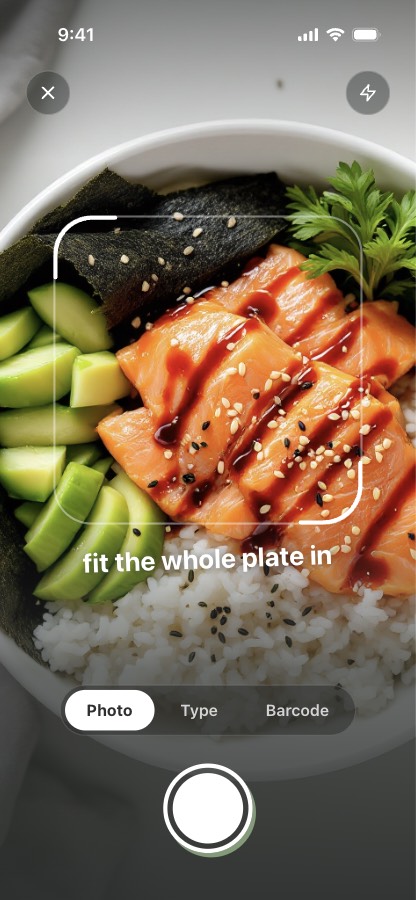
what about your plate?
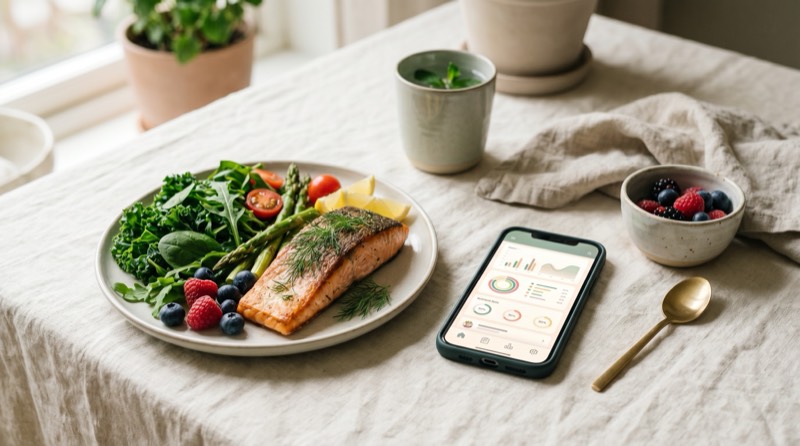
Snap your plate in Glowcast
See how it rates for your skin. 7-day trial on iPhone.


Key Takeaways
- In 43 men, a 12-week slow-carb plate cut spots more than a fast-carb one (Smith et al., Am J Clin Nutr, 2007).
- In 2024, 70% of acne patients eating an unrestricted diet had high glycemic load scores - correlating directly with greater disease severity (PubMed, 2024).
- As of 2025, adult women aged 20-29 have a 50.9% acne prevalence rate - hormonal drivers are the primary reason acne persists beyond adolescence (MDacne, 2025).
- The three most evidence-backed dietary triggers: high-glycemic foods, dairy (especially skim milk), and whey protein - all act through the same insulin/IGF-1 pathway.
- Omega-3 fatty acids showed objective improvements in both inflammatory and non-inflammatory acne lesions over 16 weeks in a 2024 Wiley clinical study.
Why Your Diet Controls Your Hormones - and Your Skin
Hormonal acne doesn't start at the surface. It starts at your last meal. The foods you eat directly control the insulin and androgen levels that tell your oil glands to overproduce - and the research is clear enough that dermatologists now recommend dietary change alongside topical treatment.
This is why hormonal acne - the deep, jawline-and-chin cysts that flare around your cycle - responds to diet in a way that topicals alone can't fully address. Retinol doesn't lower your IGF-1. Cutting refined carbohydrates does.
Foods That Drive Hormonal Acne
Not all foods trigger acne equally. The three categories below have the strongest clinical evidence - they all converge on the same insulin and IGF-1 pathway.
1. High-Glycemic Foods
White bread, white rice, bagels, sugary cereals, soft drinks, fruit juice, and most ultra-processed snacks cause rapid blood sugar spikes. In a 2024 clinical trial published on PubMed (PMID 39624570), 70% of acne patients eating an unrestricted diet had glycemic load scores above 55 - and those scores correlated directly with greater acne severity. Only 12% of patients in the dietary-counseling group had similarly elevated scores by the end of the study.
2. Dairy - Especially Skim Milk
Multiple large-scale studies link dairy to acne via IGF-1 and insulin. The Harvard Nurses' Health Study of 47,355 women found a significant association between dairy consumption and acne. Skim milk shows a stronger link than whole milk - likely because removing fat concentrates the hormonal compounds and whey proteins that survive digestion and stimulate IGF-1. For a detailed breakdown of the mechanisms, read our deep-dive: Does Dairy Cause Acne?
Plant-based alternatives aren't automatically safe, either. Oat milk has a naturally higher glycemic index than dairy milk - something worth knowing if you've switched to oat milk but still break out. We cover this in Does Oat Milk Cause Acne?
3. Whey Protein
Whey is derived from milk and is one of the most potent dietary stimulators of IGF-1 known. It's a particular issue for women who add protein shakes to their routine for muscle or satiety reasons. The evidence - and the safer alternatives - are covered in full in Does Whey Protein Cause Acne?
4. Added Sugar and Alcohol
Added sugar drives glycation - a process that degrades collagen and sustains low-grade inflammation. Alcohol disrupts the gut microbiome and raises cortisol, both of which compound androgen dysregulation. Neither needs to be eliminated completely, but reducing both is low-effort, high-return.
Foods That Help Hormonal Acne
The goal isn't restriction for its own sake - it's replacing high-IGF-1 triggers with foods that actively lower inflammation, stabilize blood sugar, and support the gut-skin axis. These categories have the strongest evidence.
Fatty Fish (Salmon, Sardines, Mackerel)
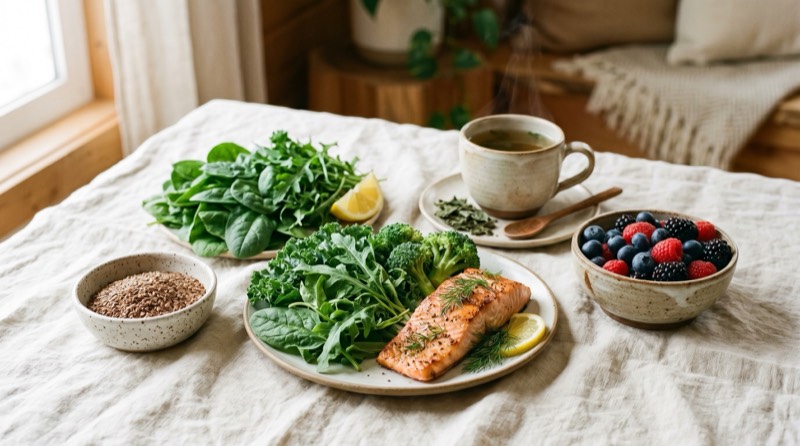
In a 2024 prospective intervention study published in the Journal of Cosmetic Dermatology (Wiley), omega-3 supplementation produced objective improvements in both inflammatory and non-inflammatory acne lesions over 16 weeks. At baseline, 98.3% of the acne patients studied had an EPA/DHA deficit. Eating oily fish 2-3 times per week - or supplementing with 2g EPA/DHA daily - directly addresses that deficit. Omega-3s suppress the inflammatory signaling pathways that drive red, cystic lesions.
Leafy Greens and Cruciferous Vegetables
Spinach, kale, broccoli, and Brussels sprouts are low-glycemic and rich in zinc, magnesium, and antioxidants. Zinc is worth singling out: a 2024 systematic review in PMC identified zinc as the most frequently studied nutraceutical for acne, with over half the studies finding it efficacious - comparable to antibiotics in some cases, with the advantage of no antimicrobial resistance risk.
Legumes (Lentils, Chickpeas, Black Beans)
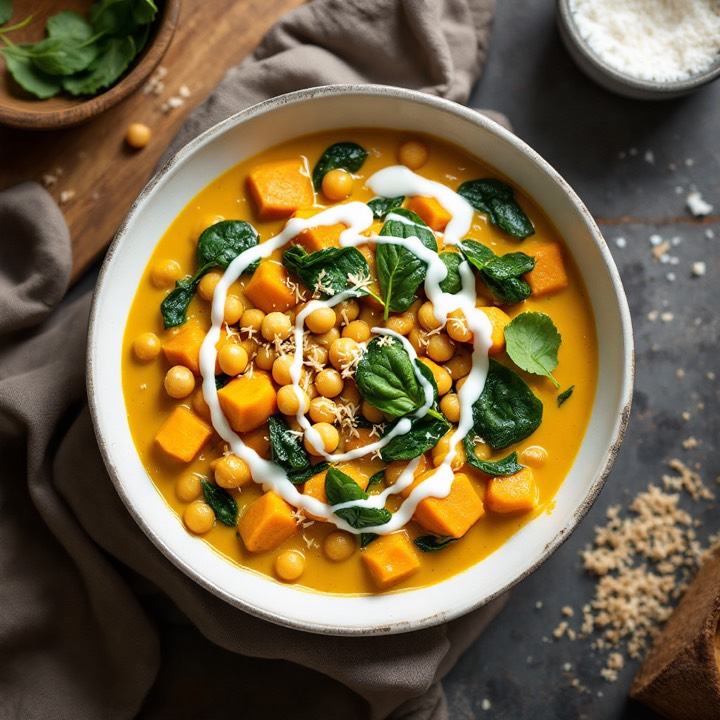
Legumes have a low glycemic index, deliver slow-release protein without spiking IGF-1, and feed the beneficial gut bacteria that influence skin inflammation via the gut-skin axis. Swapping rice or bread for a legume-based side even a few days a week measurably lowers your dietary glycemic load.
Fermented Foods (Yogurt, Kefir, Kimchi, Sauerkraut)
The gut-skin axis is one of Glowcast's eight scoring dimensions for good reason: microbiome diversity is inversely associated with acne severity. A 2025 review in Cosmetics (MDPI) noted that "microbiome dysbiosis also plays a role, with emerging treatments focusing on probiotics and prebiotics." Daily fermented food intake is the most accessible way to support that diversity without supplements.
Berries, Green Tea, and Dark Chocolate (> 85%)
These deliver polyphenols and antioxidants that suppress NF-kB - a key inflammatory signaling pathway in acne. Green tea specifically has been studied for its EGCG content, which inhibits sebum production and androgenic activity in sebocytes. Berries are low-glycemic and replace higher-sugar dessert cravings without spiking insulin.
A Practical 14-Day Hormonal Acne Protocol
Knowing what to eat and actually doing it are two different things. This 14-day framework is built around the dietary changes with the strongest evidence - and designed to be implementable without a nutrition degree.
- Week 1 - Remove the top three triggers: Cut skim milk, whey protein shakes, and white bread/sugary drinks. Swap for plant-based protein powder (pea or hemp), oat-free plant milk (almond or macadamia), and sourdough or rye bread (lower GI).
- Add one omega-3 source daily: A palm-sized serving of salmon or sardines at dinner, or 2g EPA/DHA supplement with breakfast. This addresses the deficit found in 98.3% of acne patients in the 2024 Wiley study.
- Replace one refined carb per day: Swap white rice for lentils or quinoa. Swap sugary yogurt for plain Greek yogurt with berries. Small glycemic load reductions compound over 14 days.
- Week 2 - Reinforce the gut-skin axis: Add one serving of fermented food daily (plain kefir, kimchi with a meal, sauerkraut as a condiment). Reduce alcohol to 3 or fewer drinks per week.
- Track, don't guess: Skin responses to food are individual. One person's inflammatory trigger is another's safe food. Use a meal-tracking tool to see which specific meals correlate with flares - and which ones keep your skin calm.
See how every meal
lines up with your skin
Glowcast scores each meal on 8 dermatology dimensions - including glycemic impact, inflammation, and hormonal effect. Know your Glow Score before it shows on your face.
Download on the App Store →Why Tracking Beats Guessing
The clinical trials above used population averages. Your skin is individual. Two people can eat the same diet and get opposite results - because acne is influenced by genetics, microbiome composition, hormone baselines, stress levels, and dozens of other variables. This is why the 14-day protocol above includes tracking as step 5, not an afterthought.
What you're looking for are your personal skin villains: the specific foods or meal patterns that consistently precede a flare by 24-72 hours. Dairy might be your trigger, or it might be refined carbohydrates, or it might be a combination. You can't identify the pattern without the data.
This is the problem Glowcast was built to solve. Snap a photo of your meal, and the app scores it instantly on glycemic impact, inflammation potential, hormonal effect, and five other dermatology dimensions - mapped to your skin type and goals. Over 14 days, you build a personal map of which foods glow and which trigger breakouts. That's not guessing. That's knowing.
Ready to see your skin through a new lens? Explore the full Glowcast skin science library or go straight to glowcast.app to learn how the Glow Score works.
For the everyday version of this diet, see the best foods for clear skin. The insulin side is covered in our low-glycemic guide and sugar and acne. For shine and sebum, see foods for oily skin; for deeper breakouts, see foods linked to cystic acne.
Frequently Asked Questions
What foods trigger hormonal acne?
High-glycemic foods (white bread, sugary drinks, refined carbs), dairy - especially skim milk - and whey protein are the most evidence-backed dietary triggers. They all spike insulin and IGF-1, which raise androgen activity and sebum production. Alcohol and added sugar are secondary triggers through cortisol and inflammatory pathways.
How long does a low-glycemic diet take to improve acne?
A 12-week randomized controlled trial in the American Journal of Clinical Nutrition found that a low-glycemic-load diet reduced total acne lesion counts by an average of 23.5 - nearly double the control group's improvement. Most participants saw meaningful change within 8-12 weeks. Anecdotally, many people notice reduced inflammation within 2-4 weeks of cutting the main triggers.
Does dairy cause hormonal acne?
The evidence is strong. The Harvard Nurses' Health Study of 47,355 women found a significant association between dairy consumption and acne. Skim milk shows a stronger link than whole milk. The mechanism runs through IGF-1 elevation and insulin spikes from milk proteins. See our full article on whether dairy causes acne for the complete breakdown.
What are the best foods to eat for hormonal acne?
Fatty fish, leafy greens, legumes, fermented foods, and berries have the strongest evidence. A 2024 Wiley clinical study found omega-3 supplementation produced objective improvements in both inflammatory and non-inflammatory acne lesions over 16 weeks. The Mediterranean dietary pattern - which naturally combines all these foods - has been confirmed by a 2025 meta-analysis to correlate with reduced acne severity.
Can cutting sugar clear hormonal acne?
Yes - reducing added sugar is one of the most direct dietary levers. Sugar spikes insulin, which increases androgen activity and suppresses SHBG, leaving more free testosterone to stimulate oil glands. In a 2024 clinical trial, 70% of the unrestricted-diet group had high glycemic load scores that correlated with greater acne severity. Cutting sugar lowers that load directly.
Sources
- Smith RN et al., "A low-glycemic-load diet improves symptoms in acne vulgaris patients: a randomized controlled trial," Am J Clin Nutr, 2007. Retrieved 2025-06-10. pubmed.ncbi.nlm.nih.gov/17616769
- PubMed PMID 39624570, "Effect of a Low-Glycemic-Load Diet and Dietary Counseling on Acne Vulgaris Severity Among Female Patients Aged 15 to 35 Years," November 2024. Retrieved 2025-06-10. pubmed.ncbi.nlm.nih.gov/39624570
- Telkkala et al., "Etiology of Adult Female Acne - Systematic Review," Health Science Reports, Wiley, April 2025. Retrieved 2025-06-10. onlinelibrary.wiley.com/doi/full/10.1002/hsr2.70697
- Guertler A et al., "Exploring the potential of omega-3 fatty acids in acne patients: A prospective intervention study," Journal of Cosmetic Dermatology, Wiley, July 2024. Retrieved 2025-06-10. onlinelibrary.wiley.com/doi/10.1111/jocd.16434
- MDacne, "Acne statistics - update," March 2025. Retrieved 2025-06-10. mdacne.com/article/acne-statistics-update
- Harvard Nurses' Health Study, dairy-acne association, 47,355 women. Cited in: savayabotanicals.com/blogs/news/dairy-and-acne. Retrieved 2025-06-10.
- MDPI Cosmetics, "The Epidemiology of Acne in the Current Era: Trends and Clinical Implications," May 2025. Retrieved 2025-06-10. mdpi.com/2079-9284/12/3/106
Written by Glowcast. Food inspo, not medical advice. For skin that worries you, see a dermatologist. How we check the science