at a glance
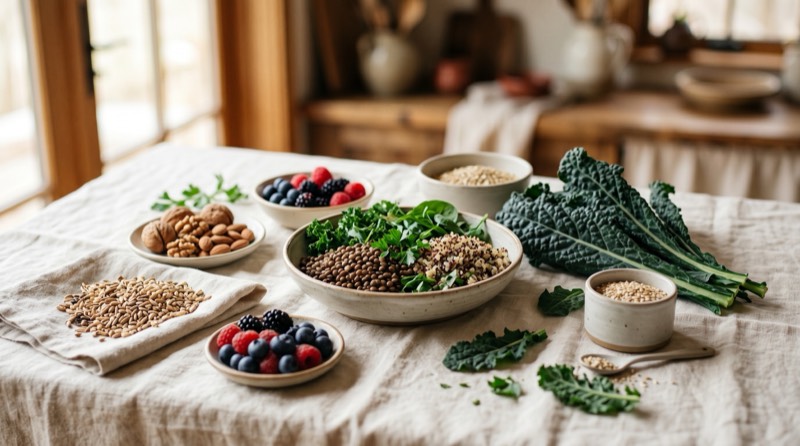
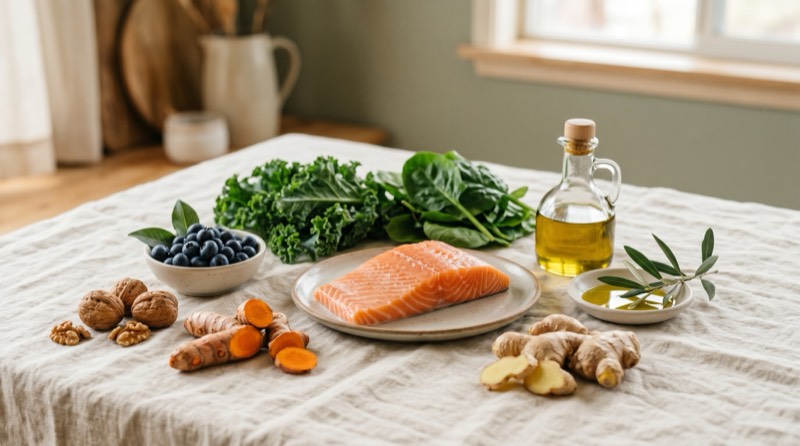
A Mediterranean-style plate.
Eat vegetables, olive oil and fish. A 2025 look at 765 people found milder breakouts on that kind of plate, not fewer new cases. Swap soda and skim. This is lunch, not a prescription.
What should you eat on an anti-inflammatory plate?
Vegetables
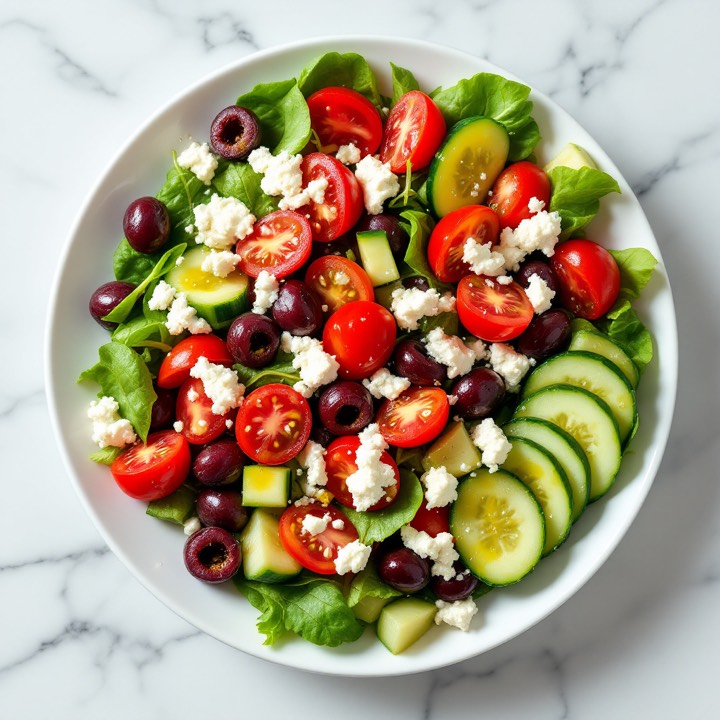
Half the plate
People who ate more vegetables had milder breakouts. Cover about half the plate.
the scienceOlive oil
On vegetables and fish
This is how you dress a Mediterranean plate. People eating that way had milder breakouts.
the science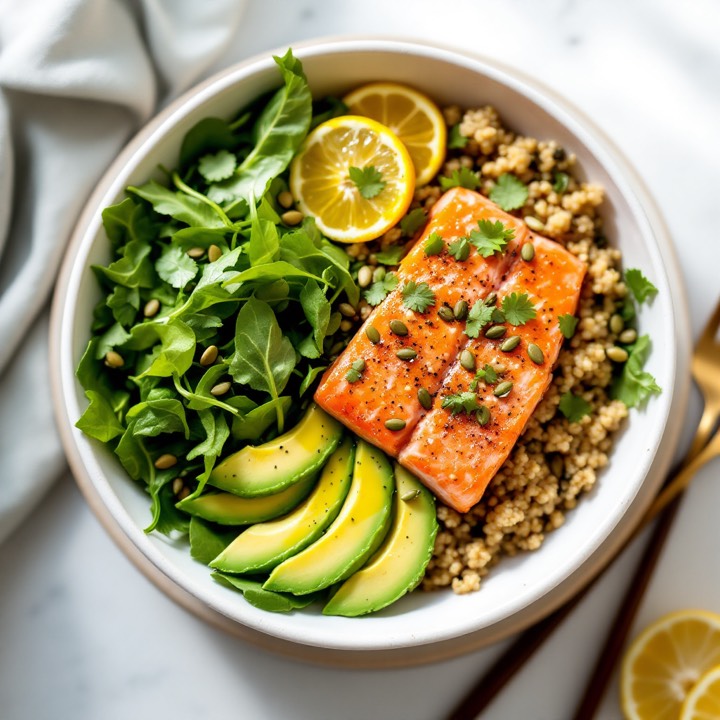
Oily fish
About twice a week
People who ate more fish had milder breakouts. Twice a week is plenty.
the science
Make it tonight
recipes from the app
What should you swap?
A daily soda→Water or unsweetened tea
If soda is daily, start there. People who drank it every day had worse breakouts.
see the researchA glass of skim milk→Unsweetened soy or almond milk
People who drank the most skim as teens had more severe acne. Swap the glass.
see the research
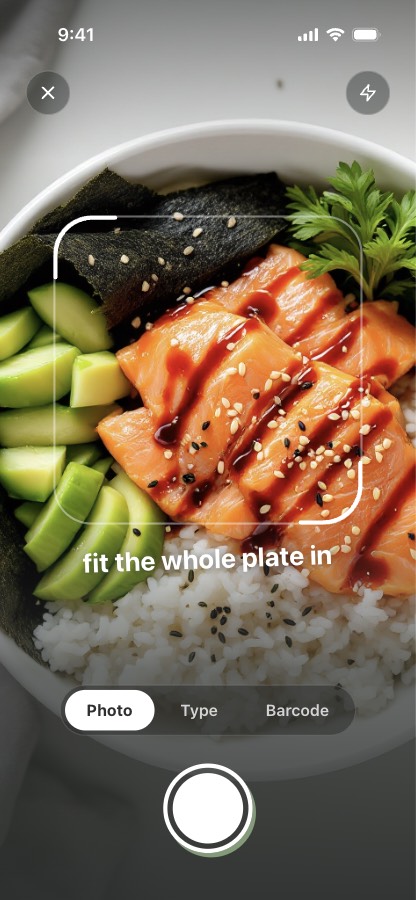
what about your plate?
Snap your lunch in Glowcast
See how it rates for your skin. 7-day trial on iPhone.


What's overhyped?
Turmeric as an acne food
Nobody has tested turmeric as an acne food. Skip the golden latte as a skin fix.
see the researchCollagen powder for acne
Collagen powder is not an acne food. Skip the smoothie scoop for that.
see the researchA packaged anti-inflammatory snack
The research looked at real plates, not snack bars. Skip the 'anti-inflammatory' packaging.
see the research
What is an anti-inflammatory diet for acne?
It means eating like a Mediterranean plate: vegetables, olive oil, fish, and less soda and extra milk. A 2025 look at 765 people found milder breakouts that way. It is lunch, not a prescription.
Is it the same as a low-GI diet?
They overlap on slower carbs and less soda. In 43 men, a 12-week slow-carb plate cut spots more than a fast-carb one. Mediterranean eating is the wider plate: veg, olive oil and fish, not only the carb swap.
Do omega-3 capsules count as this diet?
No. A 10-week trial in 45 people found fewer spots on fish-oil capsules, or on a plant oil, than on nothing. That was a pill, not fish. Fish still belongs on the plate.
Is this diet a medical treatment?
No. This page is about a Mediterranean-style way of eating. It is not a prescription. 2024 dermatology guidelines did not add a diet protocol. Keep the routine your clinician set.
How long after changing food does skin change?
Nobody has timed one meal against a pimple. Give a swap about 10 to 12 weeks. Skin that is going to improve often starts to in 4 to 6 weeks, and clearing can take two to three months.
The research, in full
at a glance
| Food | Result | Human evidence | Mechanism |
|---|---|---|---|
| Vegetables | helped | Limited | Speculative |
| Olive oil | helped | Limited | Speculative |
| Oily fish | helped | Limited | Speculative |
| Sugary drinks | linked to worse skin | Limited | Supported |
| Cow's milk | linked to worse skin | Moderate | Supported |
| Omega-3 capsules | helped | Limited | Supported |
| Turmeric food | not tested yet | Too little | Speculative |
| Collagen powder | not tested yet | Too little | Speculative |
| Packaged snack | not tested yet | Too little | Speculative |
Mediterranean-style eating
An anti-inflammatory diet in wellness talk is a Mediterranean-style eating pattern: vegetables, olive oil, fish, and less soda and extra milk. It is a way of eating. It is not a treatment protocol.
A 2025 review pooled five case-control studies, with 765 participants, 340 cases, and 425 controls. Higher adherence to the Mediterranean diet was significantly correlated with less severe acne, while the association with acne development was not significant. The pooled odds of acne development were 0.32 (CI 0.08 to 1.28). The severity correlation coefficient was -0.29 (CI -0.55 to -0.03). The quality of evidence was low. We found no trial that assigned a Mediterranean menu and measured acne (Taha et al., 2025).
One of those five studies was Italian. It included 93 cases and 200 controls. A Mediterranean diet score of 6 or more had an adjusted odds ratio of 0.31 (CI 0.11 to 0.89). The food-frequency questionnaire asked about pasta, meat, cheese, fish, fruit, vegetables, and olive oil (Skroza et al., 2012).
The same 2025 pool gave legumes an odds ratio of 0.69, with a range from 0.20 to 2.38, so beans are not on this eat list. The acne plate that is not this pattern sits on foods for clear skin. The American Academy of Dermatology's 2024 acne guidelines found available evidence was insufficient to develop recommendations for dietary changes (AAD, 2024).
Vegetables
The same 2025 review of 765 people found higher consumption of vegetables was associated with lower odds of acne development, with an odds ratio of 0.46 (CI 0.29 to 0.74) (Taha et al., 2025). We found no trial that tested vegetables alone for acne.
Oily fish
In an Italian study of 205 young people with a new diagnosis of moderate-to-severe acne, and 358 with mild or no acne, consumption of fish was associated with a protective effect (odds ratio 0.68, CI 0.47 to 0.99) (Di Landro et al., 2012).
The 2025 pool gave fish an odds ratio of 0.37 with a range from 0.03 to 4.04 (Taha et al., 2025). In 248 young adults in New York, those with moderate-to-severe acne reported fewer servings of fish a day (Burris et al., 2014). We found no trial that fed people oily fish and measured acne.
Omega-3 capsules
A 10-week trial in 45 people with mild to moderate acne allocated them to 2,000 mg of eicosapentaenoic acid and docosahexaenoic acid, a plant oil with 400 mg of γ-linoleic acid, or nothing. After 10 weeks, inflammatory and non-inflammatory acne lesions decreased significantly in both supplement groups (Jung et al., 2014). That was a capsule, not fish. We still grade the human evidence Limited.
Low-GI overlap
Glycemic index (GI) is a measure of how quickly a food raises your blood sugar. It runs from 0 to 100. Foods at 55 or below count as low-GI (MedlinePlus).
In a 12-week trial of 43 young men, spots fell by 23.5 on a low-GI diet against 12.0 on a control diet (Smith et al., 2007). In a 2012 trial of 32 people, a low-GI diet for 10 weeks led to fewer spots (Kwon et al., 2012). The carb swaps sit on our low-glycemic guide.
Sugary drinks
In a study of 24,452 French adults, sugary beverages went with 1.18 times the odds of current acne after adjustment (Penso et al., 2020). Among 8,226 Chinese students, daily soft drinks went with moderate-to-severe acne. Sugar from drinks at 100 g a day or more went with 3.12 times the odds (Huang et al., 2019). We found no trial that took sugary drinks out and measured acne. More on sugar and acne.
Cow's milk
A Harvard study of 47,355 women who recalled their high-school diets found those who drank the most skim as teens had a 44% higher rate of severe acne (prevalence ratio 1.44) (Adebamowo et al., 2005). The largest review pooled 14 studies of 78,529 people aged 7 to 30. Any milk 1.28 times the odds; low-fat or skim 1.32 (Juhl et al., 2018). Full story on dairy and acne.
Turmeric as an acne food
We searched PubMed on 16 September 2026 for turmeric or curcumin with acne vulgaris and trial or randomized. Hits were reviews, not a meal trial. A 2026 narrative review wrote that curcumin, a polyphenolic compound derived from turmeric, exhibits multifaceted anti-inflammatory and antibacterial properties (Chen et al., 2026). We found no trial that fed people turmeric and measured acne.
Collagen powder
We searched PubMed on 16 September 2026 for hydrolyzed collagen and acne. A 2026 paper mixed hydrolyzed collagen into bacterial cellulose as a dressing with tea tree oil. A novel biopolymer-based delivery system was developed using bacterial cellulose modified with hydrolyzed collagen (BC/HC) to enhance the loading, stability, and antibacterial efficacy of TTO for potential acne therapy (Salawudeen et al., 2026). That is a lab dressing, not a diet trial. We found no trial that fed people collagen powder and measured acne.
How long to give a swap
We found no trial of one food that reported a pimple clock. The omega-3 capsule trial ran 10 weeks in 45 people (Jung et al., 2014). Acne diet trials ran 12 weeks in 43 young men (Smith et al., 2007) and 10 weeks in 32 people (Kwon et al., 2012). The American Academy of Dermatology says a treatment that works should show some improvement in 4 to 6 weeks, and clearing can take two to three months or longer (AAD, 2023). Gut-side questions sit on the gut-skin axis. Track meals against your own skin with the acne food tracker.
Quick questions
What is an anti-inflammatory diet for acne?
A Mediterranean plate: vegetables, olive oil and fish. A 2025 look at 765 people found milder breakouts that way, not fewer new cases (Taha et al., 2025). Swap soda and skim. This is lunch, not a prescription. Fill half the plate with veg.
How long does an anti-inflammatory diet take?
Nobody has timed one meal against a pimple. Give a swap about 10 to 12 weeks. Skin that is going to improve often starts to in 4 to 6 weeks, and clearing can take two to three months (AAD). Track meals against your own skin.
Do omega-3s help acne?
A 10-week trial in 45 people found fewer spots on 2,000 mg of fish-oil capsules, or on a plant oil, than on nothing (Jung et al., 2014). That was a pill, not fish. Fish still belongs on the plate. Capsules do not replace dinner.
Is a low-glycemic diet the same as an anti-inflammatory diet?
They overlap on slower carbs and less soda. In 43 men, a 12-week slow-carb plate cut spots more than a fast-carb one (Smith et al., 2007). Mediterranean eating is the wider plate: veg, olive oil and fish. Carb swaps live on the low-glycemic guide.
Sources
- Taha S, Shakhshir M, Zyoud SH. The mediterranean diet and acne vulgaris: a systematic review and meta-analysis. Nutr Metab (Lond). 2025. pmc.ncbi.nlm.nih.gov
- Skroza N et al. Mediterranean diet and familial dysmetabolism as factors influencing the development of acne. Scand J Public Health. 2012. pubmed.ncbi.nlm.nih.gov
- Di Landro A et al. Family history, body mass index, selected dietary factors, menstrual history, and risk of moderate to severe acne in adolescents and young adults. J Am Acad Dermatol. 2012. pubmed.ncbi.nlm.nih.gov
- Burris J, Rietkerk W, Woolf K. Relationships of self-reported dietary factors and perceived acne severity in a cohort of New York young adults. J Acad Nutr Diet. 2014. pubmed.ncbi.nlm.nih.gov
- Jung JY et al. Effect of dietary supplementation with omega-3 fatty acid and gamma-linolenic acid on acne vulgaris: a randomised, double-blind, controlled trial. Acta Derm Venereol. 2014. pubmed.ncbi.nlm.nih.gov
- American Academy of Dermatology. American Academy of Dermatology issues updated guidelines for the management of acne. News release. 2024. aad.org
- Smith RN et al. A low-glycemic-load diet improves symptoms in acne vulgaris patients: a randomized controlled trial. Am J Clin Nutr. 2007. pubmed.ncbi.nlm.nih.gov
- Kwon HH et al. Clinical and histological effect of a low glycaemic load diet in treatment of acne vulgaris in Korean patients: a randomized, controlled trial. Acta Derm Venereol. 2012. pubmed.ncbi.nlm.nih.gov
- MedlinePlus. Glycemic index and diabetes. US National Library of Medicine. medlineplus.gov
- Huang X et al. Daily intake of soft drinks and moderate-to-severe acne vulgaris in Chinese adolescents. J Pediatr. 2019. pubmed.ncbi.nlm.nih.gov
- Penso L et al. Association between adult acne and dietary behaviors: findings from the NutriNet-Santé prospective cohort study. JAMA Dermatol. 2020. pubmed.ncbi.nlm.nih.gov
- Adebamowo CA et al. High school dietary dairy intake and teenage acne. J Am Acad Dermatol. 2005. pubmed.ncbi.nlm.nih.gov
- Juhl CR et al. Dairy intake and acne vulgaris: a systematic review and meta-analysis of 78,529 children, adolescents, and young adults. Nutrients. 2018. pmc.ncbi.nlm.nih.gov
- American Academy of Dermatology. 9 things to try when acne won't clear. 2023. aad.org
- Chen Y, Zhang X, Zeng R. Curcumin in acne management: a narrative review of mechanisms and efficacy. Curr Pharm Des. 2026. pubmed.ncbi.nlm.nih.gov
- Salawudeen T et al. Hydrolyzed collagen-modified bacterial cellulose loaded with tea tree oil for antibacterial activity against acne-associated bacteria. RSC Adv. 2026. pubmed.ncbi.nlm.nih.gov
Written and fact-checked by Glowcast against the sources above. Spot an error? Tell us via our About page. Food inspo, not medical advice. For skin that worries you, see a dermatologist. How we check the science