at a glance
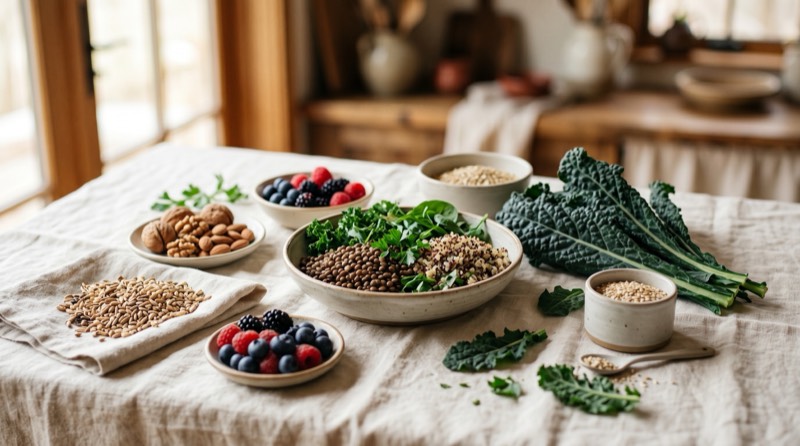
Oats, beans, fish and veg.
Eat oats, beans and lentils, oily fish twice a week, and vegetables at most meals. In a 12-week trial, a slow-carb plate cut spots more than a fast-carb one. Swap sugary drinks and extra milk.
What should you eat for clear skin?
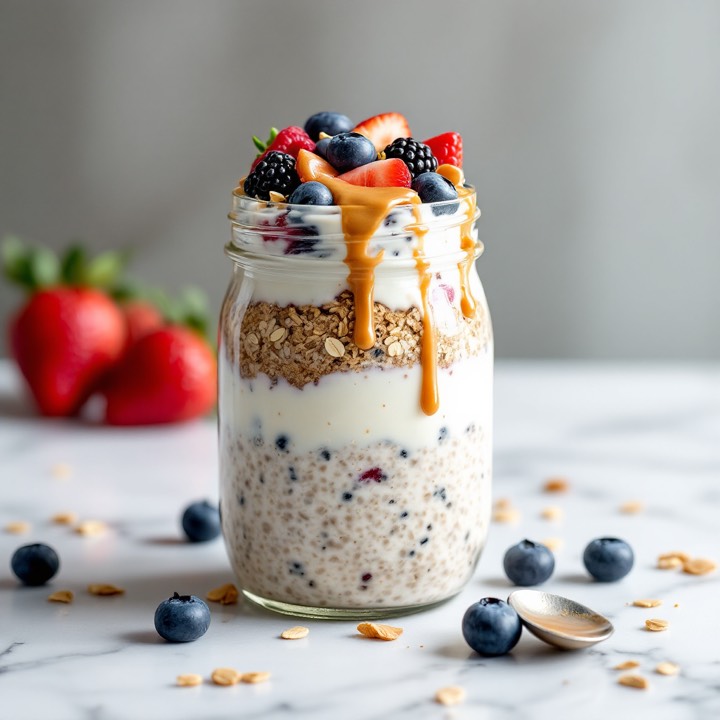
Oats, beans and lentils
Most of your carbs
Slow carbs raise blood sugar gently. People eating this way had fewer spots after 10 to 12 weeks.
the science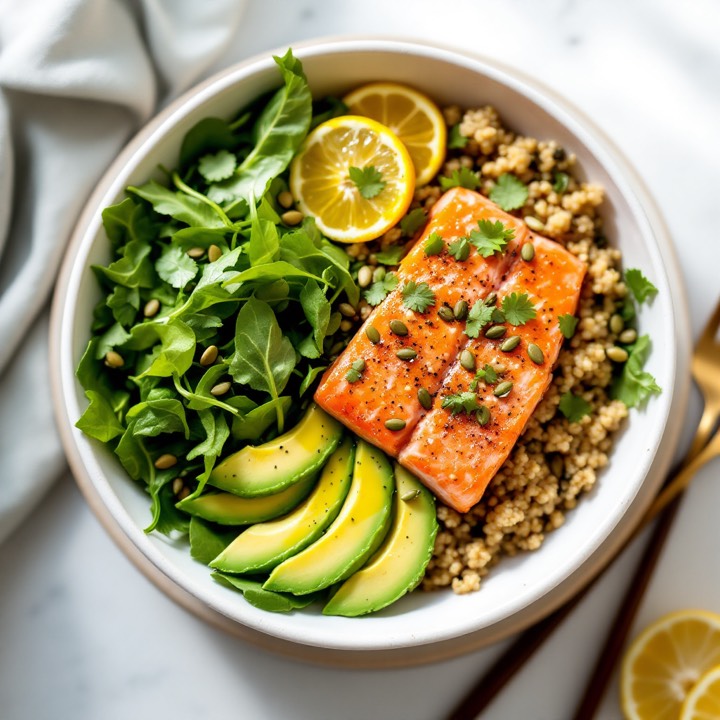
Oily fish
Twice a week
People who ate more fish had milder breakouts. Twice a week is plenty.
the science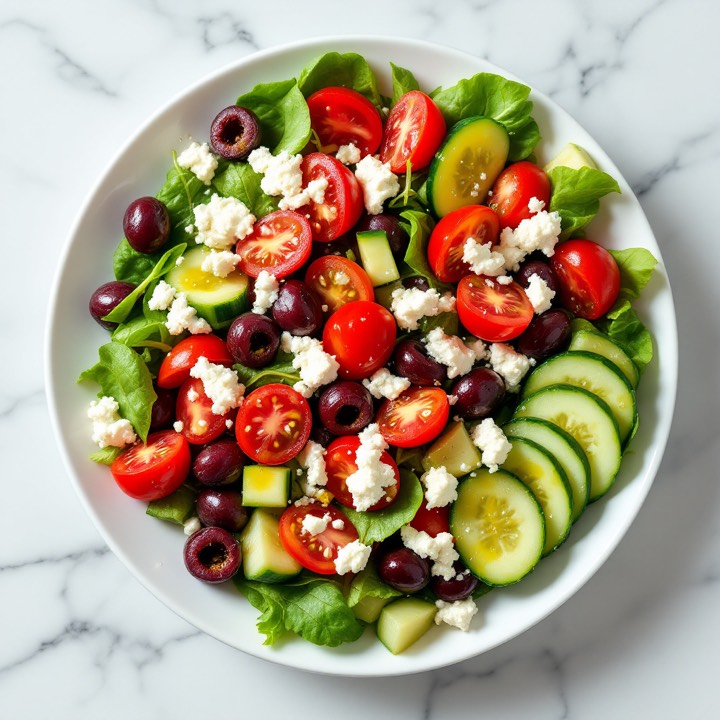
Vegetables
At most meals
People who ate more vegetables had milder breakouts. Put colour on the plate at most meals.
the sciencePlain tea
Unsweetened, no milk
People who drank tea without sugar or milk had milder breakouts. Brew it plain.
the science
Make it tonight
recipes from the app
What can you swap?
Sugary drinks→Water or unsweetened tea
People who drank sugary drinks had more current acne. Swap them for water or unsweetened tea.
see the researchSkim milk→Unsweetened soy or oat milk
People who drank the most skim as teens had more severe acne. Swap the glass.
see the research
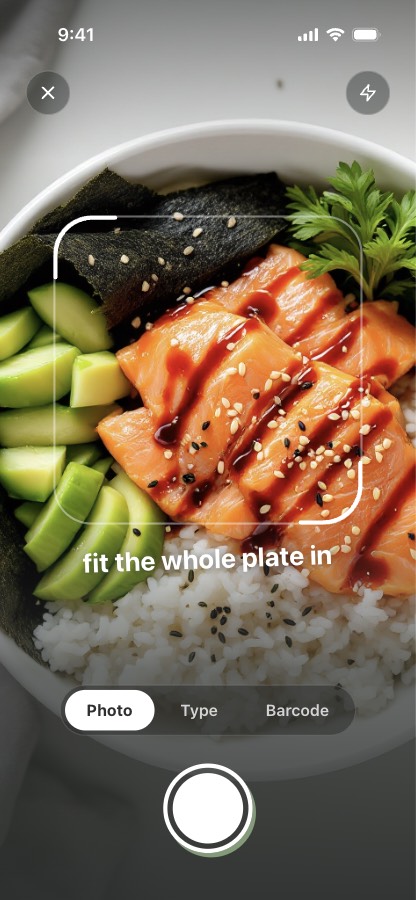
what about your plate?
Snap your lunch in Glowcast
See how it rates for your skin. 7-day trial on iPhone.


What's overhyped?
Probiotic yogurt
About twice as many people got better on a probiotic capsule as on a plain pill. That was a pill, not yogurt.
see the researchZinc-rich foods
Zinc pills and creams have been tested on spots. A plate of oysters or lentils has not.
see the research
What are the best foods for clear skin?
Oats, beans, lentils and grainy bread, plus oily fish, vegetables and plain tea. In a 12-week trial, a slow-carb plate cut spots more than a fast-carb one. Keep your usual skincare. Food is extra, not a replacement.
Which foods should you skip for clear skin?
Start with sugary drinks and extra milk, especially skim. In 24,452 French adults, both sugary drinks and milk lined up with current acne. White-rice eaters had worse acne in a Thai survey of 2,467 people. Change one thing at a time.
Is there a clear skin diet that works?
There is no named plan with a trial behind it. People who followed a Mediterranean-style diet more closely had milder acne in a 2025 look. That looks like oats, beans, fish, olive oil and a lot of vegetables, which is the same plate this page already recommends.
How long does a clear skin diet take?
Give it about three months. The diet trials ran 10 to 12 weeks. The 8-week trial was the one with no clear gap between diets. Stress, sleep and your cycle move skin too, so change one food habit at a time.
Can diet replace acne treatment?
No. Keep the routine you already use. A slow-carb plate cut spots more than a fast-carb one over 12 weeks, and that is extra, not a substitute. 2024 dermatology guidelines did not add a diet protocol.
The research, in full
at a glance
| Food | Result | Human evidence | Mechanism |
|---|---|---|---|
| Oats, beans and lentils | helped | Limited | Supported |
| Oily fish | helped | Limited | Plausible |
| Vegetables | helped | Limited | Speculative |
| Plain tea | helped | Limited | Plausible |
| Sugary drinks | linked to worse skin | Limited | Plausible |
| Skim milk | linked to worse skin | Moderate | Supported |
| Probiotic yogurt | not tested yet | Too little | Plausible |
| Zinc-rich foods | mixed | Too little | Plausible |
| Acne guidelines | no change | Moderate | Supported |
Oats, beans and lentils
Glycemic index (GI) is a measure of how quickly a food raises your blood sugar. Foods at 55 or below count as low; foods at 70 or above count as high (MedlinePlus).
A 2022 review found high-GI diets were linked to more acne, "an observation supported by randomized controlled trials" (Meixiong et al., 2022). Rolled-oat porridge scores 55, grainy bread 53 and kidney beans 24, against 79 for instant oat porridge (Atkinson et al., 2008).
In a 12-week trial of 43 young men, spots fell by 23.5 on a low-GI diet against 12.0 on a control diet (Smith et al., 2007). In a 10-week trial of 32 people, the low-GI group had fewer spots, both inflamed and not (Kwon et al., 2012). An 8-week trial found skin improved on both diets, with no clear difference between them (Reynolds et al., 2010). All three trials were small. More in our low-glycemic guide.
| Food | GI |
|---|---|
| Instant oat porridge | 79 |
| White bread | 75 |
| Rolled-oat porridge | 55 |
| Grainy bread | 53 |
| Kidney beans | 24 |
Oily fish
In an Italian case-control study built around 205 young people with new moderate-to-severe acne, eating fish was associated with a protective effect (odds ratio 0.68) (Di Landro et al., 2012). In a New York survey of 248 young adults, those with moderate-to-severe acne ate fewer servings of fish a day (Burris et al., 2014).
A 2025 pooled analysis gave fish an odds ratio of 0.37 with a range from 0.03 to 4.04, far too wide to call (Taha et al., 2025).
The likely fats are EPA and DHA. In a 10-week trial, 45 people took 2,000 mg a day of those omega-3s, a plant oil, or nothing. Lesions decreased in both supplement groups (Jung et al., 2014). That was a capsule. FDA advice is at least 8 ounces of seafood a week on a 2,000-calorie diet (FDA). Twice a week covers that. Plant omega-3 from flax is a limited source of the EPA and DHA that fish provide (Burdge and Calder, 2005).
Vegetables
A 2025 review of five case-control studies found people who ate more vegetables had lower odds of acne (odds ratio 0.46), though it rated the quality of its evidence low (Taha et al., 2025). Higher adherence to the Mediterranean diet was significantly correlated with less severe acne, while the association with acne development was not significant.
Among 2,467 Thai teens and adults, eating vegetables was associated with milder acne (adjusted odds ratio 0.74) (Roengritthidet et al., 2021). In Jordan, regular fruit and vegetables did too (0.66) (Seetan et al., 2026). In Italy, women aged 25 and over with a low weekly intake of fruit or vegetables had higher odds of acne (odds ratio 2.33) (Di Landro et al., 2016). All of these are observational. We found no trial that has tested vegetables for acne. Colour from the same plate also shows up on our glow page.
Plain tea
Among 2,467 Thai teens and adults, people who drank tea without sugar or milk had milder acne (adjusted odds ratio 0.61) (Roengritthidet et al., 2021). The survey didn't name the type of tea. We found no trial of simply drinking tea and tracking acne.
In a 4-week trial, 80 women took 1,500 mg of green tea extract or a placebo daily. Inflamed lesions on the nose, chin and around the mouth decreased, but total lesion counts didn't differ (Lu and Hsu, 2016). That's an extract, not a mug. Skip bottled teas with added sugar. Hydration notes on tea live on our hydrated skin page.
Sugary drinks
In a French study of 24,452 adults, sugary drinks (adjusted odds ratio 1.18) and fatty, sugary products (1.54) were both associated with current acne (Penso et al., 2020). In New York, people with moderate-to-severe acne reported more added sugar and a higher dietary GI (Burris et al., 2014). In Thailand, white rice was associated with more severe acne (adjusted odds ratio 1.80) in 2,467 people (Roengritthidet et al., 2021). More on sugar and acne.
Skim milk
Among 47,355 women, those who drank the most skim milk in high school had a 44% higher rate of severe teenage acne (prevalence ratio 1.44) (Adebamowo et al., 2005). A 2019 review found people who drank the most milk had 1.48 times the odds of acne of those who drank the least. For skim milk the figure was 1.82 (Aghasi et al., 2019).
In 24,452 French adults, milk went with current acne (adjusted odds ratio 1.12) (Penso et al., 2020). The full split by cheese and yogurt is on does dairy cause acne.
Probiotic yogurt
A 12-week trial in people aged 12 to 30 found 42.5% of those taking a probiotic capsule improved on an acne grading scale, compared with 20.6% on placebo (Eguren et al., 2024). The capsule held one bacterial strain plus spirulina. Staff from the maker co-wrote the paper.
A capsule isn't yogurt. We found no trial that compared yogurt with no yogurt and measured acne. The closest food trial gave 36 people fermented milk for 12 weeks, with or without added lactoferrin, so both groups had the fermented food (Kim et al., 2010). Yogurt is also dairy. More in our gut and skin guide.
Zinc-rich foods
A 2020 review found that people with acne had lower blood zinc than people without it, and that zinc treatment reduced the number of inflamed papules (Yee et al., 2020). Those trials used zinc as a treatment, taken by mouth or put on the skin. We found no trial of zinc-rich foods themselves.
Animal proteins such as meat are a good source of zinc, and nuts, whole grains and legumes are good plant sources. The recommended daily amount is 8 mg for adult women and 11 mg for men (MedlinePlus).
What food cannot do
Acne vulgaris is the common inflammatory spots that start in oil glands. Food can change hormones that feed those glands. It cannot replace a cream or a pill your clinician prescribed.
When the American Academy of Dermatology updated its guidelines in 2024, available evidence was insufficient to develop recommendations for dietary changes (AAD, 2024). The 2024 line is a guideline gap, not a finding that food does nothing: the trials on this page still measured fewer lesions on a low-glycemic-load diet over 12 weeks.
Quick questions
What should I eat every day for clear skin?
Build meals around rolled oats, beans and lentils, plus vegetables (Atkinson et al., 2008). Add oily fish about twice a week and drink water or plain tea. Our low-glycemic guide has the carb swaps those trials actually used.
What foods should I avoid for clear skin?
Sugary drinks, sweets and milk, especially skim. Among 47,355 women, those who drank the most skim milk as teens had 44% more severe acne (Adebamowo et al., 2005). See dairy and sugar for the drinks and milk detail.
How long does it take for diet to show on skin?
Diet trials judged results after 8 to 12 weeks. In the best-known one, spots dropped more on a slow-carb plate than a standard one over 12 weeks (Smith et al., 2007). Skin that is going to improve often starts to in 4 to 6 weeks. Give any change about three months.
Do probiotics help clear skin?
A capsule did in one 12-week trial: about twice as many people got better as on the dummy pill (Eguren et al., 2024). Yogurt and kimchi have not been tested that way. See our gut and skin page for the strain, not the yogurt.
Sources
- Meixiong J et al. Diet and acne: a systematic review. JAAD Int. 2022. pmc.ncbi.nlm.nih.gov
- Smith RN et al. A low-glycemic-load diet improves symptoms in acne vulgaris patients: a randomized controlled trial. Am J Clin Nutr. 2007. pubmed.ncbi.nlm.nih.gov
- Kwon HH et al. Clinical and histological effect of a low glycaemic load diet in treatment of acne vulgaris in Korean patients: a randomized, controlled trial. Acta Derm Venereol. 2012. pubmed.ncbi.nlm.nih.gov
- Reynolds RC et al. Effect of the glycemic index of carbohydrates on acne vulgaris. Nutrients. 2010. pubmed.ncbi.nlm.nih.gov
- Atkinson FS et al. International tables of glycemic index and glycemic load values: 2008. Diabetes Care. 2008. pmc.ncbi.nlm.nih.gov
- MedlinePlus. Glycemic index and diabetes. US National Library of Medicine. medlineplus.gov
- Taha S et al. The Mediterranean diet and acne vulgaris: a systematic review and meta-analysis. Nutr Metab (Lond). 2025. pmc.ncbi.nlm.nih.gov
- Taha S et al. The Mediterranean diet and acne vulgaris: a systematic review and meta-analysis. Nutr Metab (Lond). 2025. pubmed.ncbi.nlm.nih.gov
- Di Landro A et al. Family history, body mass index, selected dietary factors, menstrual history, and risk of moderate to severe acne in adolescents and young adults. J Am Acad Dermatol. 2012. pubmed.ncbi.nlm.nih.gov
- Burris J et al. Relationships of self-reported dietary factors and perceived acne severity in a cohort of New York young adults. J Acad Nutr Diet. 2014. pubmed.ncbi.nlm.nih.gov
- Jung JY et al. Effect of dietary supplementation with omega-3 fatty acid and gamma-linolenic acid on acne vulgaris: a randomised, double-blind, controlled trial. Acta Derm Venereol. 2014. pubmed.ncbi.nlm.nih.gov
- US Food and Drug Administration. Advice about eating fish. fda.gov
- Roengritthidet K et al. Association between diet and acne severity: a cross-sectional study in Thai adolescents and adults. Acta Derm Venereol. 2021. pubmed.ncbi.nlm.nih.gov
- Seetan K et al. Dietary patterns and acne severity in Middle Eastern youth: the negative correlation role of fermented dairy products. J Am Nutr Assoc. 2026. pubmed.ncbi.nlm.nih.gov
- Di Landro A et al. Adult female acne and associated risk factors: results of a multicenter case-control study in Italy. J Am Acad Dermatol. 2016. pubmed.ncbi.nlm.nih.gov
- Penso L et al. Association between adult acne and dietary behaviors: findings from the NutriNet-Santé prospective cohort study. JAMA Dermatol. 2020. pubmed.ncbi.nlm.nih.gov
- Adebamowo CA et al. High school dietary dairy intake and teenage acne. J Am Acad Dermatol. 2005. pubmed.ncbi.nlm.nih.gov
- Aghasi M et al. Dairy intake and acne development: a meta-analysis of observational studies. Clin Nutr. 2019. pubmed.ncbi.nlm.nih.gov
- Eguren C et al. A randomized clinical trial to evaluate the efficacy of an oral probiotic in acne vulgaris. Acta Derm Venereol. 2024. pubmed.ncbi.nlm.nih.gov
- Kim J et al. Dietary effect of lactoferrin-enriched fermented milk on skin surface lipid and clinical improvement of acne vulgaris. Nutrition. 2010. pubmed.ncbi.nlm.nih.gov
- Yee BE et al. Serum zinc levels and efficacy of zinc treatment in acne vulgaris: a systematic review and meta-analysis. Dermatol Ther. 2020. pubmed.ncbi.nlm.nih.gov
- MedlinePlus. Zinc in diet. US National Library of Medicine. medlineplus.gov
- American Academy of Dermatology. American Academy of Dermatology issues updated guidelines for the management of acne. News release. 2024. aad.org
- Lu PH, Hsu CH. Does supplementation with green tea extract improve acne in post-adolescent women? A randomized, double-blind, and placebo-controlled clinical trial. Complement Ther Med. 2016. pubmed.ncbi.nlm.nih.gov
- Burdge GC, Calder PC. Conversion of alpha-linolenic acid to longer-chain polyunsaturated fatty acids in human adults. Reprod Nutr Dev. 2005. pubmed.ncbi.nlm.nih.gov
Written and fact-checked by Glowcast against the sources above. Spot an error? Tell us via our About page. Food inspo, not medical advice. For skin that worries you, see a dermatologist. How we check the science