
the short answer:
Not on its own.
Nobody has tested bread alone. The link is blood sugar: white and whole-wheat bread both spike it fast, and eating fewer fast carbs meant fewer breakouts in two of three small trials.
easy swapgrainy bread, rye or pita
How sure is the science?
- Strong
- Moderate
- Limited
- Too little
A few small studies, and none on bread alone.
How we grade the scienceWhat does research say about bread and acne?
Not much, directly. Nobody fed people bread alone and counted breakouts, and 2024 dermatology guidelines found the diet evidence too thin for advice. Surveys link white bread to acne, but they can't show cause.
the nerdy bit
We searched PubMed and found no trial that fed people bread alone and then counted their acne lesions. Instead, trials test whole diets with a lower glycemic load. The evidence is thin: when the American Academy of Dermatology updated its acne guidelines in 2024, it found the evidence insufficient for any dietary recommendation (AAD, 2024).
In a New York survey of 248 young adults, 58.1% believed diet made their acne worse or affected it (Burris et al., 2014). In addition, participants with moderate-to-severe acne reported diets with a higher glycemic index, a measure of how quickly carbohydrates raise blood sugar.
Two observational studies asked about bread by name. Among 529 Polish secondary-school boys, those who said acne affected their quality of life ate more white bread and less wholegrain bread (Łożyńska and Głąbska, 2022). In Turkey, a study of 3,826 patients and 759 controls connected bread with acne; however, it connected apples, oranges and green tea with acne too (Karadağ et al., 2019).
Surveys like these show an association, not a cause. For example, people who eat plenty of white bread may also eat more sweets or fast food, and the same Polish boys did. That's one reason we graded the human evidence for bread as Limited rather than Moderate.
Why would bread affect your skin?
Fast carbs raise your blood sugar quickly. Your body answers with a burst of insulin, and insulin nudges the hormones linked to oily, breakout-prone skin. That's the theory, and small blood-test studies back parts of it.
the nerdy bit
Glycemic index (GI) is a measure of how quickly a food raises your blood sugar. Foods at 70 or above count as high, and white bread and bagels are both on that list (MedlinePlus). The proposed mechanism runs like this: blood sugar that rises quickly triggers a larger insulin response, and insulin sets off hormonal signals associated with acne.
Bread sits at the center of this research. In fact, a 1997 study used white bread as its yardstick for insulin: groups of 11 to 13 healthy volunteers ate 38 different foods, and researchers compared each food's insulin response with white bread's (Holt et al., 1997). Bakery products rich in fat and refined carbohydrates raised insulin more than their blood sugar effect predicted.
IGF-1 is insulin-like growth factor 1, a hormone that signals cells to grow and multiply. Sebum is the oil your skin's sebaceous glands produce, and one theory holds that extra insulin and IGF-1 push those glands to produce more of it. In a New York study of 64 adults, people with moderate-to-severe acne ate a higher glycemic load and had higher insulin and IGF-1 levels (Burris et al., 2017).
Can changing your diet move those numbers? Researchers divided 66 adults with moderate-to-severe acne between a low-GI diet and their usual eating for 2 weeks. Average IGF-1 in the low-GI group fell from 267.3 to 244.5 (Burris et al., 2018). That said, glucose and insulin didn't differ between the groups, and the trial measured blood markers rather than skin.
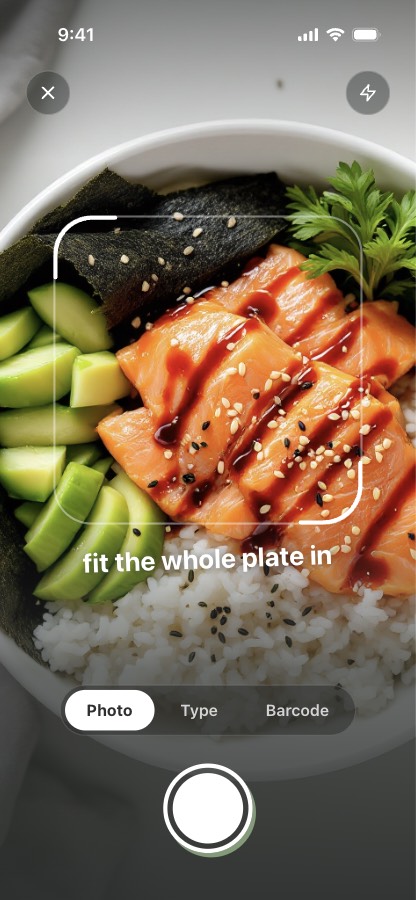
what about your plate?
Snap your toast in Glowcast
See how it rates for your skin. 7-day trial on iPhone.


Is white bread worse for acne than whole wheat?
Barely. Both spike your blood sugar about as fast, because "whole wheat" describes the flour, not how fast it digests. Grainy bread and chapatti are slower, and rye or pita sit in the middle.
- White bread
- Whole wheat
- Bagel
- Rye or pita
- Grainy bread
- Chapatti
fast spikemediumslow
Glycemic index (GI). Averages from Atkinson et al., 2008; bagel, rye and pita from MedlinePlus. A blood sugar guide, not a skin ranking.
the nerdy bit
Not by much, if blood sugar is the concern: white wheat bread has an average GI of 75 and whole-wheat bread 74, so both sit in the high band (Atkinson et al., 2008). In contrast, grainy specialty bread averages 53, and chapatti 52. We found no study that compared these breads on skin, so treat the table as a blood sugar guide, not a skin ranking.
| Bread | GI | Band |
|---|---|---|
| White wheat bread | 75 | High |
| Whole-wheat (wholemeal) bread | 74 | High |
| Bagel | 70 or more | High |
| Unleavened wheat bread | 70 | High |
| Rye bread or pita | 56 to 69 | Medium |
| Wheat roti | 62 | Medium |
| Grainy (specialty grain) bread | 53 | Low |
| Chapatti | 52 | Low |
In other words, a "whole wheat" label describes the flour, not how quickly the bread digests. Swapping white toast for whole-wheat toast barely changes the glycemic index, while a grainy loaf, rye bread or pita lowers it. Glycemic load is the GI adjusted for how much carbohydrate a portion holds, so two slices count for more than one.
The Polish survey hints at the same split, since boys reporting acne problems ate more white bread but less wholegrain bread. Looking for other swaps, such as rolled oats (GI 55) instead of cornflakes (GI 81)? Our low-glycemic eating guide has plenty, and our article on how sugar affects your skin covers the sweet side.
Is sourdough bread better for your skin?
Maybe a tiny bit, for blood sugar. Nobody has studied sourdough and skin, so eat it because you love it.
the nerdy bit
Sourdough may soften the blood sugar spike slightly, but we found no study that tested it on skin. A 2024 review of 18 studies found blood sugar rose less after sourdough than after standard bread, especially with whole-wheat sourdough. However, the reviewers rated the certainty of that evidence low to very low (Rolim et al., 2024).
The same review found that sourdough didn't lower fasting insulin. A 2026 review of 27 studies went further, calling the evidence that sourdough beats yeast bread for blood sugar "neither sufficient nor convincing" (Starowicz et al., 2026). So choose sourdough if you enjoy it, but don't count on it to change your skin.
Does gluten cause acne?
There's no good evidence it does. Celiac disease is different, and its typical skin sign is an itchy, blistering rash, not acne. If you suspect it, get tested before cutting gluten, because going gluten-free first can throw off the test.
the nerdy bit
There's no reliable evidence that it does, and we found no study showing that gluten causes acne in people without celiac disease. Gluten is a protein found in wheat, barley and rye (NIDDK). A 2024 review of gluten and skin rated the evidence for acne at Grade IV, the weakest grade it used, and warned that cutting gluten unnecessarily can lead to nutritional deficiencies (Chakraborty, 2024).
Celiac disease is a digestive and immune disorder triggered by gluten, and it affects about 1 percent of people worldwide (NIDDK). Its characteristic skin sign is an itchy, blistering rash called dermatitis herpetiformis, not acne. About 10 to 20 percent of adults with untreated celiac disease develop it (NIDDK). Suspect celiac disease? Get tested first, because a gluten-free diet can affect the results (NIDDK).
Studies of acne in celiac disease contradict each other. A Swedish study of 43,300 people with celiac disease found acne diagnosed more often than in matched controls (hazard ratio 1.39) (Lebwohl et al., 2021). In contrast, a Finnish survey of 327 patients found no increased risk (Turjanmaa et al., 2023). Either way, those findings concern celiac disease, not gluten in everyone.
What did the low-glycemic diet trials find?
Two of three small trials found fewer breakouts when people ate fewer fast carbs. None cut bread alone, and weight loss may explain part of the difference.
the nerdy bit
Three small trials changed people's carbohydrates and counted their acne lesions, and two found a benefit. In the best known, 43 young men followed either a low-glycemic-load diet or a carbohydrate-heavy one for 12 weeks. Lesion counts fell by 23.5 on the low-GL diet and by 12.0 on the standard diet (Smith et al., 2007).
| Trial | Who | Length | What happened |
|---|---|---|---|
| Smith et al., 2007 | 43 young men | 12 weeks | Lesions fell by 23.5, against 12.0 on the standard diet. |
| Kwon et al., 2012 | 32 people in Korea | 10 weeks | Fewer lesions and smaller oil glands. |
| Reynolds et al., 2010 | 58 teenage boys | 8 weeks | Both diets improved, with no clear difference. |
| Burris et al., 2018 | 66 adults | 2 weeks | IGF-1 fell (blood test only). |
There are catches, though: the low-GL group in the 2007 trial also lost about 2.9 kg, so weight loss may explain part of the difference (Smith et al., 2007). In the 8-week trial, skin improved on both diets, by 26% and 16%, with no clear difference between them (Reynolds et al., 2010). A 2015 Cochrane review rated the evidence low quality (Cao et al., 2015).
None of these trials cut bread alone; they lowered the glycemic load of the whole diet, so bread's share of any effect is unknown. Still, in the Korean trial, skin biopsies after 10 weeks showed smaller sebaceous (oil) glands and less inflammation on the low-GL diet (Kwon et al., 2012).
You cut bread and nothing changed. Why?
Probably time. The diet trials ran 8 to 12 weeks, so three weeks in is too early to call it. Also check your swaps: cornflakes and boiled potato spike even faster than white bread.
the nerdy bit
The most common reason is time: diet trials evaluated results after 8 to 12 weeks, and the shortest, at 8 weeks, found no clear difference between diets (Reynolds et al., 2010). If you're three weeks into cutting bread, it's too early to draw conclusions. Here are other possible explanations:
- You swapped in another fast carbohydrate. For example, cornflakes (GI 81) and boiled potato (GI 78) sit higher than white bread, so a bread-free breakfast or dinner can still be high-glycemic (Atkinson et al., 2008).
- Your cycle sets the timing. In a survey of 400 women and girls, 44% reported acne flares before their period, so a monthly flare can mask a food change (Stoll et al., 2001).
- Something else changed at the same time. A new retinol or cleanser, shorter sleep or a stressful month can make a dietary change difficult to interpret.
- Bread simply isn't an important factor for you. Studies describe groups on average, and individuals differ, so your result may not match the trials.
Do your breakouts arrive on a monthly schedule? In a study that counted lesions across two full menstrual cycles, 63% of women had a 25% rise in inflammatory lesions before their period (Lucky, 2004). As a result, a flare in the week before your period says little about the toast you cut three weeks earlier. Our guide to hormonal acne and diet covers this pattern.
How can you test whether bread affects your acne?
Swap to a slower bread for about 12 weeks and keep everything else the same. Compare your skin in the same week of your cycle each month, since hormones move skin too.
the nerdy bit
Change one thing and give it about 12 weeks, the length of the longest trial above (Smith et al., 2007). That spans several menstrual cycles, so you can compare the same week each month rather than a good week against a bad one. Here's one way to run a fair experiment at home:
- Pick one swap, such as white toast for a grainy loaf or rye bread, and keep the rest of your meals steady.
- Keep your skincare routine identical, so a new cleanser or serum doesn't blur the result.
- Once a week, note your breakouts and your cycle day in a simple food and skin diary, ideally with a photo taken in the same light at the same time of day.
- Compare like with like: the week before your period this month against the same week last month, not against your best week.
- If nothing shifts after about 12 weeks, bread may not be an important factor for you. Reintroduce it and test the next suspect instead.
What's the next suspect? Bread is rarely the only one, so start with other foods linked to breakouts, such as dairy and sugary drinks. Or are you wondering about eggs or energy drinks instead? For what to add rather than cut, see the foods with the best evidence for clear skin.
Quick questions
What is the best bread for acne?
No bread has been tested for acne, so there's no proven best. For a lower-glycemic option, grainy specialty bread averages a GI of 53 and chapatti 52, against 75 for white bread (Atkinson et al., 2008). Rye bread and pita fall in the medium band. Your skin may respond differently.
How long should I cut bread to see if it helps my acne?
Give it about 12 weeks. That's how long the best-known diet trial ran, and a slow-carb plate cut spots more than a fast-carb one (Smith et al., 2007). A shorter, 8-week trial found no clear difference (Reynolds et al., 2010).
Does gluten-free bread help acne?
There's no reliable evidence that it does. A 2024 review rated the evidence tying gluten to acne at Grade IV, its weakest grade (Chakraborty, 2024). Celiac disease is different, and it affects about 1 percent of people worldwide (NIDDK). If you suspect it, get tested before going gluten-free (NIDDK).
Can bread cause hormonal acne?
No study links bread to acne that follows your cycle. Premenstrual flares are common on their own: 44% of 400 women and girls in one survey reported them (Stoll et al., 2001). Diet may play a part through IGF-1, which fell on a 2-week low-GI diet, but that was a blood test (Burris et al., 2018).
Sources
- American Academy of Dermatology. American Academy of Dermatology issues updated guidelines for the management of acne. News release. 2024. aad.org
- Burris J et al. Relationships of self-reported dietary factors and perceived acne severity in a cohort of New York young adults. J Acad Nutr Diet. 2014. pubmed.ncbi.nlm.nih.gov
- Łożyńska K, Głąbska D. Association between nutritional behaviours and acne-related quality of life in a population of Polish male adolescents. Nutrients. 2022. pmc.ncbi.nlm.nih.gov
- Karadağ AS et al. The effect of personal, familial, and environmental characteristics on acne vulgaris: a prospective, multicenter, case controlled study. G Ital Dermatol Venereol. 2019. pubmed.ncbi.nlm.nih.gov
- MedlinePlus. Glycemic index and diabetes. US National Library of Medicine. medlineplus.gov
- Holt SH et al. An insulin index of foods: the insulin demand generated by 1000-kJ portions of common foods. Am J Clin Nutr. 1997. pubmed.ncbi.nlm.nih.gov
- Burris J et al. Differences in dietary glycemic load and hormones in New York City adults with no and moderate/severe acne. J Acad Nutr Diet. 2017. pubmed.ncbi.nlm.nih.gov
- Burris J et al. A low glycemic index and glycemic load diet decreases insulin-like growth factor-1 among adults with moderate and severe acne: a short-duration, 2-week randomized controlled trial. J Acad Nutr Diet. 2018. pubmed.ncbi.nlm.nih.gov
- Atkinson FS et al. International tables of glycemic index and glycemic load values: 2008. Diabetes Care. 2008. pmc.ncbi.nlm.nih.gov
- Rolim ME et al. Consumption of sourdough bread and changes in the glycemic control and satiety: a systematic review. Crit Rev Food Sci Nutr. 2024. pubmed.ncbi.nlm.nih.gov
- Starowicz M et al. Effects of sourdough and yeast fermented breads consumption on glycaemia in healthy populations: a systematic review. Front Nutr. 2026. pubmed.ncbi.nlm.nih.gov
- National Institute of Diabetes and Digestive and Kidney Diseases. Definition and facts for celiac disease. niddk.nih.gov
- National Institute of Diabetes and Digestive and Kidney Diseases. Symptoms and causes of celiac disease. niddk.nih.gov
- National Institute of Diabetes and Digestive and Kidney Diseases. Diagnosis of celiac disease. niddk.nih.gov
- Chakraborty A. A critical appraisal of gluten in skin disorders, the evidence so far, and updated recommendations. Indian J Dermatol. 2024. pubmed.ncbi.nlm.nih.gov
- Lebwohl B et al. Risk of skin disorders in patients with celiac disease: a population-based cohort study. J Am Acad Dermatol. 2021. pubmed.ncbi.nlm.nih.gov
- Turjanmaa E et al. Patient-reported burden of skin disorders in coeliac disease. Scand J Gastroenterol. 2023. pubmed.ncbi.nlm.nih.gov
- Smith RN et al. A low-glycemic-load diet improves symptoms in acne vulgaris patients: a randomized controlled trial. Am J Clin Nutr. 2007. pubmed.ncbi.nlm.nih.gov
- Kwon HH et al. Clinical and histological effect of a low glycaemic load diet in treatment of acne vulgaris in Korean patients: a randomized, controlled trial. Acta Derm Venereol. 2012. pubmed.ncbi.nlm.nih.gov
- Reynolds RC et al. Effect of the glycemic index of carbohydrates on acne vulgaris. Nutrients. 2010. pubmed.ncbi.nlm.nih.gov
- Cao H et al. Complementary therapies for acne vulgaris. Cochrane Database Syst Rev. 2015. pubmed.ncbi.nlm.nih.gov
- Stoll S et al. The effect of the menstrual cycle on acne. J Am Acad Dermatol. 2001. pubmed.ncbi.nlm.nih.gov
- Lucky AW. Quantitative documentation of a premenstrual flare of facial acne in adult women. Arch Dermatol. 2004. pubmed.ncbi.nlm.nih.gov
Written and fact-checked by Glowcast against the sources above. Food inspo, not medical advice. For skin that worries you, see a dermatologist. How we check the science